
“Ever since the world began, it has been the belief of mankind that desolate places are the special haunt of supernatural beings”
Richard Jefferies
You probably wouldn’t notice it while driving past but far below the A465 in North West Monmouthshire In South Eastern Wales lies the Clydach Gorge, a place steeped in history Welsh Folklore, legends of goblins, ghosts, witches and of course the Devil who appears to do just as much travelling in the country as I do. If the devil was real and he had Instagram I’d follow it because if we are to believe the legends Lucifer has been all over the UK and quite a lot of the globe too! There’s plenty of articles about the Clydach gorge, many popped up in my Google searches while I researched hikes with interesting history and folklore. The article in the Abergavenny Chronicle is probably one of the more in depth pieces and well worth a read if you want to know more then click the following link.
Fairies Witches Spirits And Shakespeare A Guide To The Folklore Of The Clydach Gorge
I visited this place for the first time with Chris and Tom, some new friends we met through hiking groups, the second time it was with my mate Andy to see any of the parts of the gorge I missed the first time and in fact I’ve still not explored it all. So here’s just a bit of the history and folklore of this small part of Monmouthshire.
A Little About The Gorge
The Clydach Gorge was ideal for building different works straight into it’s steep sides enabling the industries to have materials (such as limestone) lowered from above and the processed materials removed below. Additionally the area is is rich in resources as it cuts through layers of sedimentary rocks comprising of clay, ironstone coal and limestone. In fact the gorge has been used for it’s resources since around the Iron Age, there is quite a lot of woodland also which meant plenty of timber for fires, furnaces and the ability to create charcoal on site.
Clydach Ironworks
Starting at the carpark we first come across the slightly creepy looking ruins of the Clydach Ironworks which opened in1785 and were well situated considering the abundance of limestone, iron ore and coal available in the surrounding area. The blast furnaces here at the Ironworks used coke as fuel which at the time was a relatively new innovation. Coke is coal heated in an airless environment to remove volatile elements, and being almost pure carbon it burns hotter and cleaner than coal and is much better for the production of Iron. Additionally limestone was provided from nearby Llanelly Quarry, the resulting lime being used as a purifier in the iron production. Operating day and night the Ironworks at it’s peak would have had 1350 people working here, effectively closing in 1878 the ruins were excavated and partly restored in the 1980’s. We pass these ruins and head down to the he river Clydach which would have helped to power machinery in the quarries, ironworks, mines and blast furnaces in the area. It’s hard to imagine the peaceful gorge which despite the sound of the A465 is filled with sounds of the river and chirping birds, instead filled with the deafening sounds of heavy industry reverberating off the steep sides of the gorge originating not just from the ironworks but the many other industries based here.


Don’t Go Placing Yourself On Waterfalls
Soon we are walking above the river before coming down to some picturesque waterfalls. This time they are all clear which is nice as when myself Tom and Chris visited some genius had his family set up right over the waterfall bushcraft fashion with a tarp. Imagine coming to see a beautiful place and setting up camp not near a nice spot but ON it. Dude must have one brain cell bouncing around in his head like an Atari game of pong. Sometimes I’m not sure if it’s ignorance, arrogance or a lack of consideration with these people. Upon returning to the place with my mate Andy this time the photogenic waterfall hasn’t got some idiot camping on it.


Cwm Pwca ‘Pucks Valley’
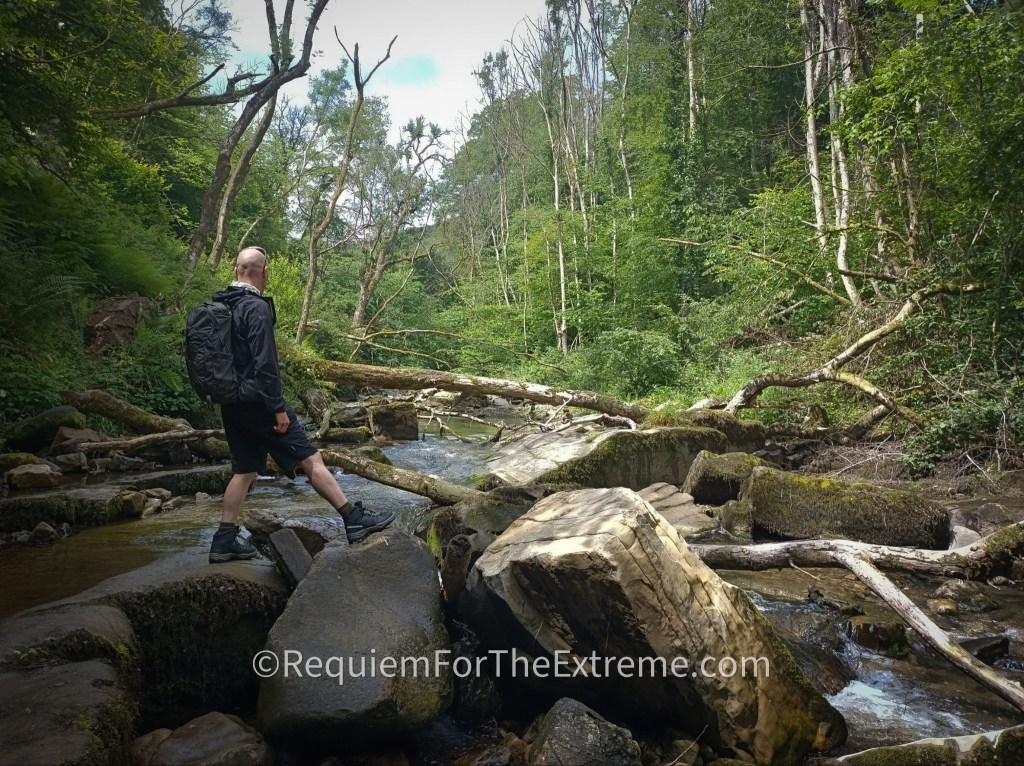
There’s plenty of fairies and goblins in Welsh legends, this valley has it’s own version in the ‘Pwca’ and Cwm Pwca translates to ‘pucks valley’ or ‘valley of the goblin’. Myself Tom, Chris and Andy all visit this on both occasions I’m here. There is a steep descent into the valley from the road down to the river where you come to the ominously but not uniquely named Devils Bridge. You can easily see how the steep sides of the gorge here ,could help inspire some legends as it would have kept this part of the area full of trees. Cwm Pwca is easily the most memorable part of the gorge and well worth a look.
Puck
The valley’s namesake of the puck is known by many names and is featured a lot in folklore, known in Irish as púca in Welsh ‘pwcca’ or in this case ‘Pwca’ these creatures were said to be Irish as púca in Welsh ‘pwcca’ or in this case ‘Pwca’ was a malicious or mischievous fairies or demons. Puck in old English pretty much meant ‘Demon’ and one of the of the darkest tales of the being said to be resident here was that it would lead travellers at night over the steep sides of the gorge to fall into the Clydach river below. Which I’m sure you can agree is kind of mean.
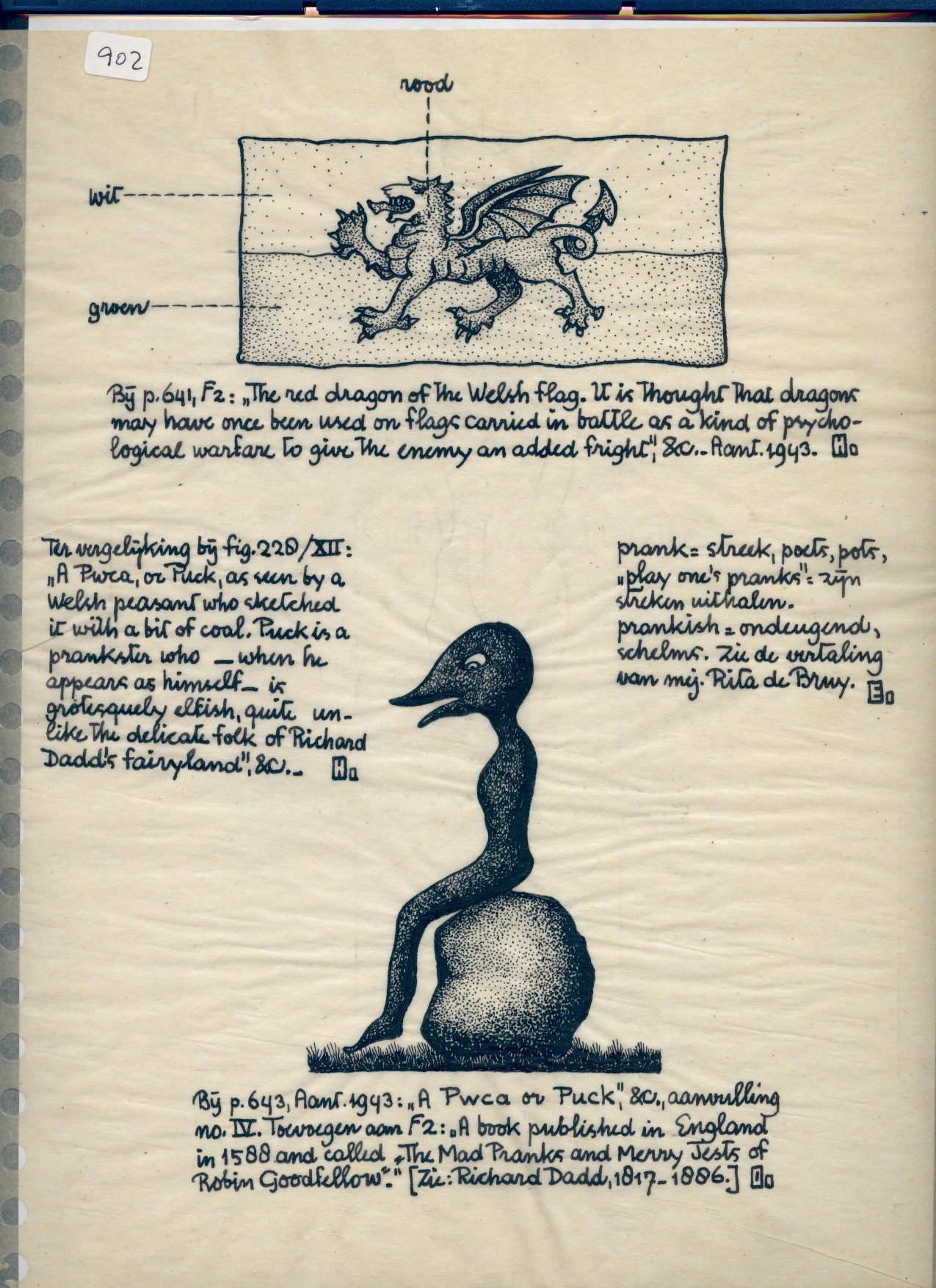
The Welsh ‘Pwca’ were rumoured to bring good or bad luck to those saw or interacted with them, getting mention in 17th century ballads as ‘Robin Goodfellow’ https://www.britannica.com/topic/puck-fairy. Attributed with having the ability to shapeshift into various animals such as goats, rabbits, horses, black dogs (featured in many legends!) and cats the entity seems to have well earned it’s status a a trickster. I can’t help notice that in the pictured representation of puck from the fascinating website of the Museum Of Witchcraft and Magic puck despite the illustrations description of looking ‘grotesquely elfish’ looks rather like a duck. The depiction and the similarity of the words are pretty hard to ignore and considering the entities said ability to transform into animals, could not a stary duck have flown into the gorge and been seen by tired industrial workers who had maybe had a drink and not too long after witnessed or been in an an accident? Considering how many animals such as goats rabbits, dogs, horses and more could have wandered into the gorge the areas workers must have been constantly paranoid. It’s also easy to see how easily accidents could happen in this steep sided gorge also.
Faries Everywhere Ayit Bab
While researching these beings I find there are legends of them everywhere even as close to home as my area . For example ‘Powkes Lane’ a road I’ve often wondered at the unusual name of as I drive down it on the way to my current job was originally named ‘powk’s lane’ near what was then known as Rowley – now Rowley Regis. Thinking of how ‘puck’ would sound spoken in a thick black county accent this now seems far more obvious than it was originally. There was likely a legend here involving an entity similar to the one said to exist in Cwm Pwca. It’s worth noting the Black Country area was also a site of heavy industry exactly like that in Clydach.
Devils Bridge
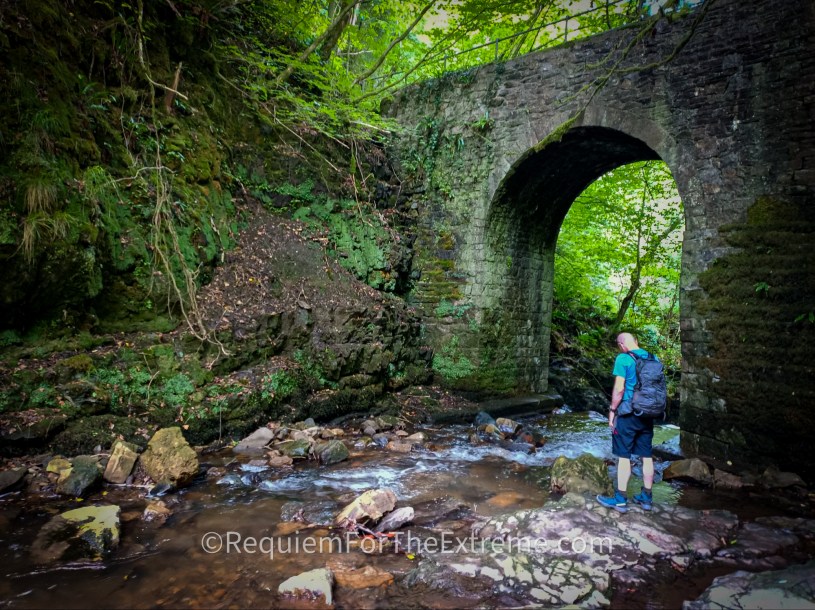
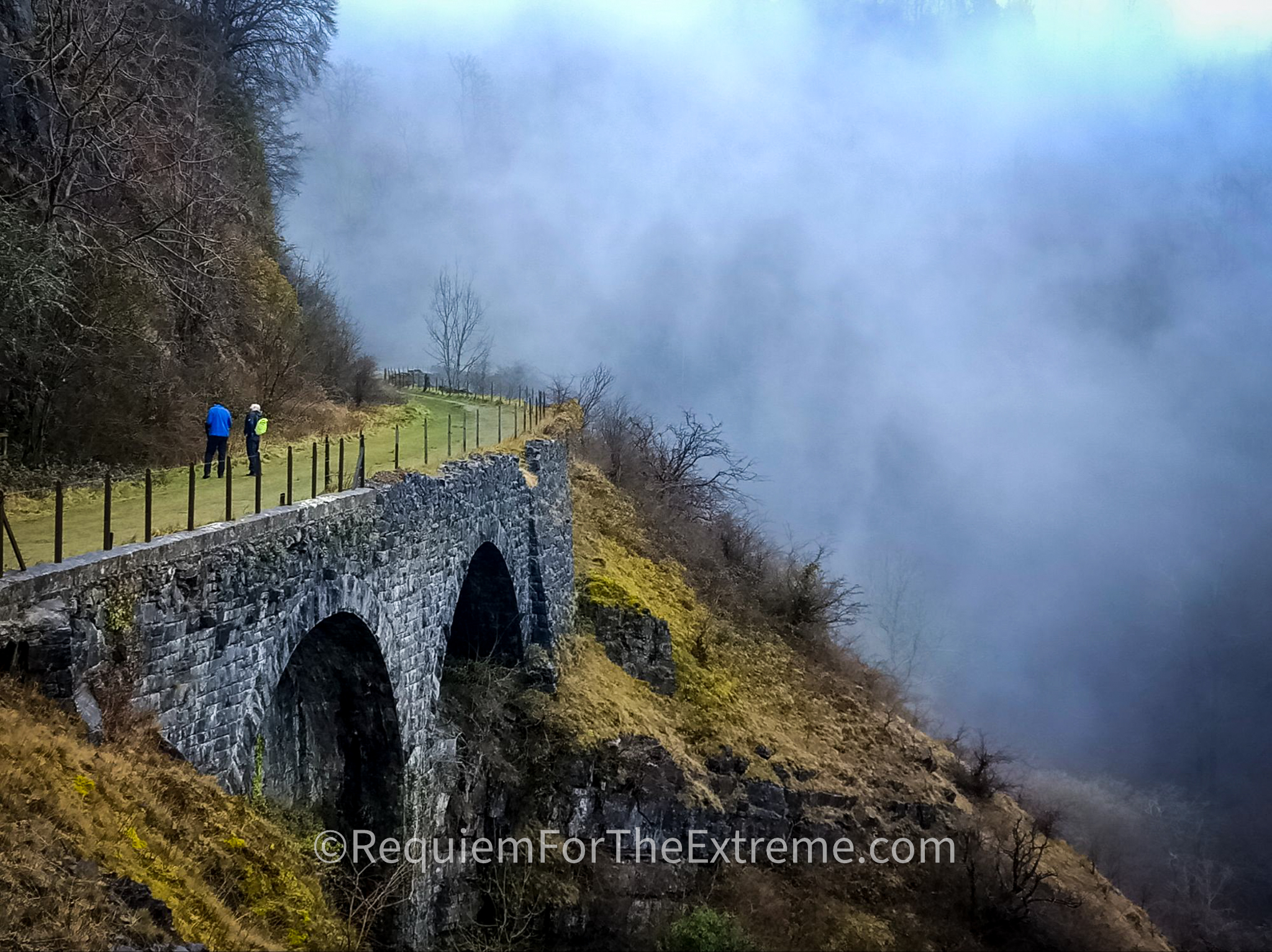
Not to be confused with the other more famous Devils bridge in Ceredigion this Devils bridge, built originally as a a packhorse bridge in around 1700 this has the river Clydach running under it and makes for some stunning photographs https://coflein.gov.uk/en/site/417918/ to not become another victim of puck (that’s me just not slipping to my death in reality) I’m extremely careful climbing down next the the bridge to take a picture of the falls from above, if you slipped here you would most likely smash yourself to pieces in the fall.
The waterfall here falls an impressive 60ft which is something I’m trying to avoid doing myself while I’m snapping pictures. Apparently the bridge is named as such due to the existence of a rock erosion that some have stated looks like the devil. You can just make out in the second photo below what is believe is meant to resemble the face of the devil, it’s not the best profile from where I stand however I’m assuming the pointed rock lower down may be attributed to his nose. There’s a better profile picture on th Abergavenny Voice Facebook Old nick really does get everywhere, I think he has a soft spot for Wales however.


Witches
In 1794 One Molly Davies ran a school from her home next to the forge with her daughter and was reputed to be a witch who could apparently make pigs stand on their heads, milk turn sour and was subject of blame for various accidents that happened at the ironworks forge. These days common sense would hopefully prevail and people would attribute these accidents to the dangerous nature of working in a forge, health and safety not being thing in the 1800’s and maybe some people probably just didn’t like Molly and would rather blame their misfortune on someone or something else. Sounding familiar to the situation with Puck right now isn’t it? Luckily for Molly however just 58 years previously the Witchcraft Act 1735 had passed which in essence ended the hunting and execution of witches. Molly may have also been one in the same as ‘Old Magw’ who also was said to work at the school and was reputed to severely punish unruly children and be able to curse the plants in your garden. To quote an OU Paper ‘From 1794, Molly Davies and her daughter Jane ran a school at their home, some 40 yards from the forge’ anyway this isn’t a university piece I’m writing but if you want to read further into this take a look at the link below
Gellifelen Railway Tunnels
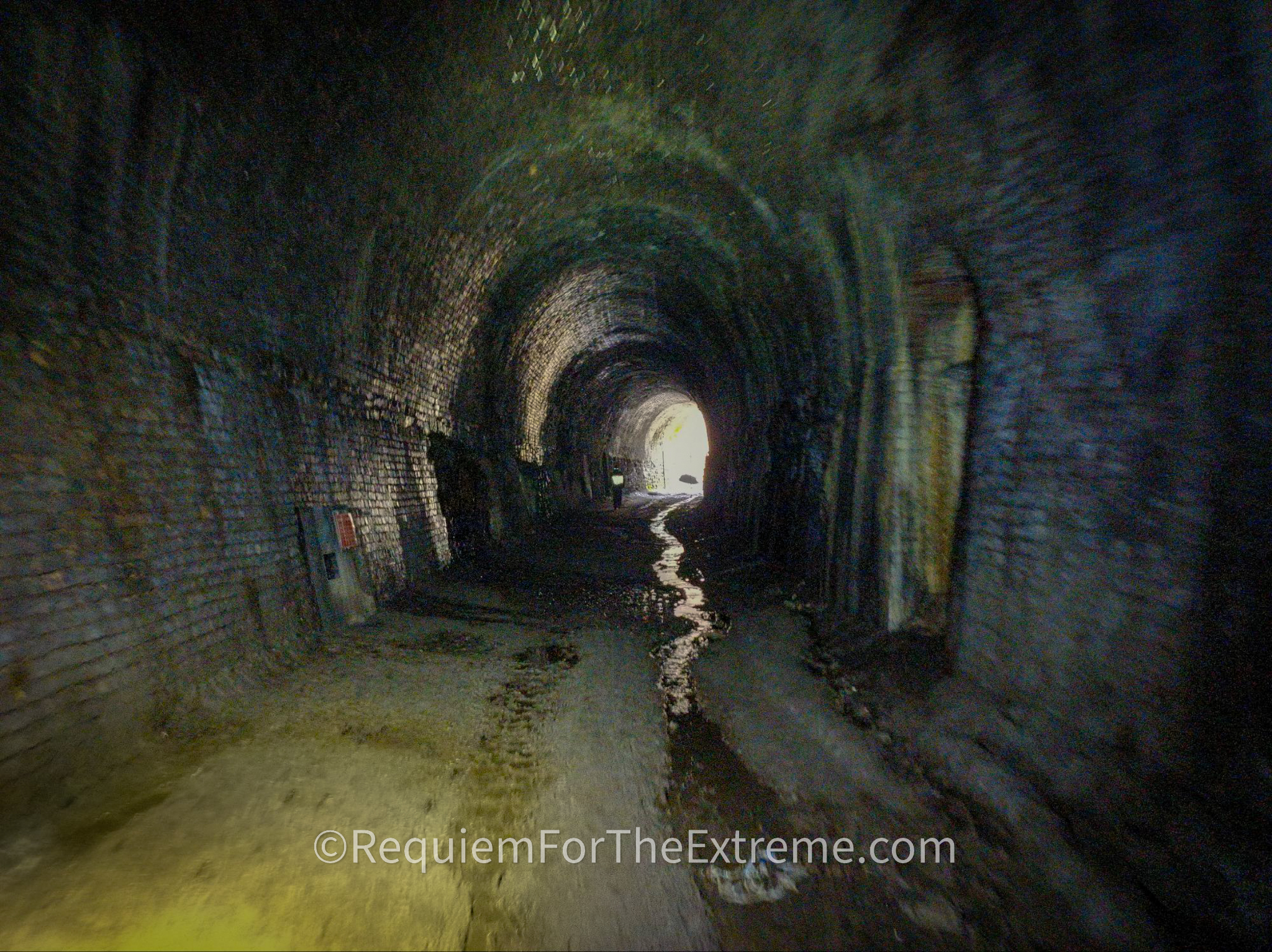
We hike past old lime kilns set into the walls of the gorge before we are standing in front of the Gellifelen Railway tunnels. The original tunnel here opened in 1862 is around 382 metres long and makes for some really cool photographs when you walk through it’s dark interior, at first there’s nothing but darkness eventually however before long the light at the end of the tunnel appears usually I’d expect to the relief of most people. The tunnel we have walked through was bored 15 years after the original top increase the capacity of the railway line – the original is bricked up one end and gated on the other, possible due to instability.

Though a small area there’s plenty to explore in the Clydach Gorge including the many caves, Craig y Gaer an Iron Age Fort and much more. This blog only touches on a few however keep an eye on the blog by subscribing to our mailing list for upcoming blogs on this area and more , including worldwide adventure such as Mt Toubkhal – the highest mountain in North Africa, Merzhouga, The Sahara Desert and equipment reviews from Osprey and many more manufacturers! Thanks for reading and subscribe below!
 Requiem For The Extreme