

“There is nothing more powerful than this attraction toward the abyss”
Jules Verne
A What Mine?
Holme Bank opened in the Georgian Era in 1778 and ceased operation in the 1960’s, while open there was 450,000 tons of material excavated and it sold around 150,000 tons of Chert. This is a rock made out of microcrystalline quartz, and in pre history was used to make sharpened tools like arrow and spear heads. It can also be used to create a spark to start fires if stuck against steel. If that sounds familiar it’s because flint is one of many types of Chert. In this case mined Chert would have been ground into a Silica powder and added to pottery clay as what is known as a temper. As Chert is a sedimentary rock it forms as a bed and to to extract Chert the miners would remove the limestone beneath the chert bed and the weight of the Chert would cause it to fall, which is pretty dangerous in itself.
A History In The Dark
Back in the 1700 and most of the 1800’s the mine would have been illuminated by candlelight and oil lamps, though by the 1900’s the mine would have been illuminated by electricity and miners carbide lamps. You can imagine how bright one standard candle is at home in the dark, in the darkness of the mine this would have seemed a weak light. A candle kicks out about 12 lumens, lumens being a measurement of light visible to the human eye from a light source – the more lumens a light source produces the brighter it is. An oil lamp is slightly brighter, basic lamps in the 1700’s however would have only been slightly brighter than candles. Carbide lamps were a considerable improvement and could kick out about 200 lumens which for then was impressive but is the equivalent of a cheaper head torch these days. These lamps work by using calcium carbide and water to create a reaction that creates acetylene gas which is then ignited to create a bright flame. The lamps have a water reservoir which has a valve to regulate a drip of water into a chamber with calcium carbide in it – the more water allowed through the more gas is produced and the more brightness is emitted when the gas is ignited. To give a comparison the head torch I’m wearing in the mine is 1600 lumens – that’s eight times brighter than these lamps. And on that note, it’s time to head down into the darkness.
Into The Darkness
I’m not going to lie, as we step closer to it in our caving gear the metal gate and portal in the mine looks like the sort of place victims get dragged through in slasher films, vanishing into the darkness screaming and desperately clutching at the bars of the gate while unseen hands pull them in. A steady stream of cold air like a light wind emits from the entrance chilling the otherwise warm summers day, it feels ominous however this is created by a thing called chimney effect which is the inside and outside air pressure of the mine trying to equalise. This is a pretty good indicator of the size of a cave or mine and I note there is a slight breeze here which indicates a medium sized mine, in comparison to the stronger breeze at the adit we entered on the Croesor-Rhosydd Mine Through Trip which was a very large system. Even though I know the cause I still find it slightly spooky every time I feel this chilly breeze pouring from the mine or cave I’m in front of. Around the entryway green stains the limestone blocks and the gate stands slowly rusting. We make a short video of us outside the mine and then open it up, step through and begin locking it behind us when a bloke looking like a JD Sports model comes bouncing down towards the gate like he’s got springs in his trainers shouting back to his mates that ‘there’s something down here’. Me and my mate sigh as he comes and asks us questions about the place and he soon leaves looking disappointed when he sees the big ass chain we are wrapping round the door get locked in place. And this place is locked up for a reason, one it’s pretty dangerous in mines which is why we are insured and previous to the access to this place being controlled people had been coming down here and leaving junk down here. Also I’m pretty sure cave rescue would be less than impressed having to save people without the right gear down here – there’s five miles at least of tunnels here.

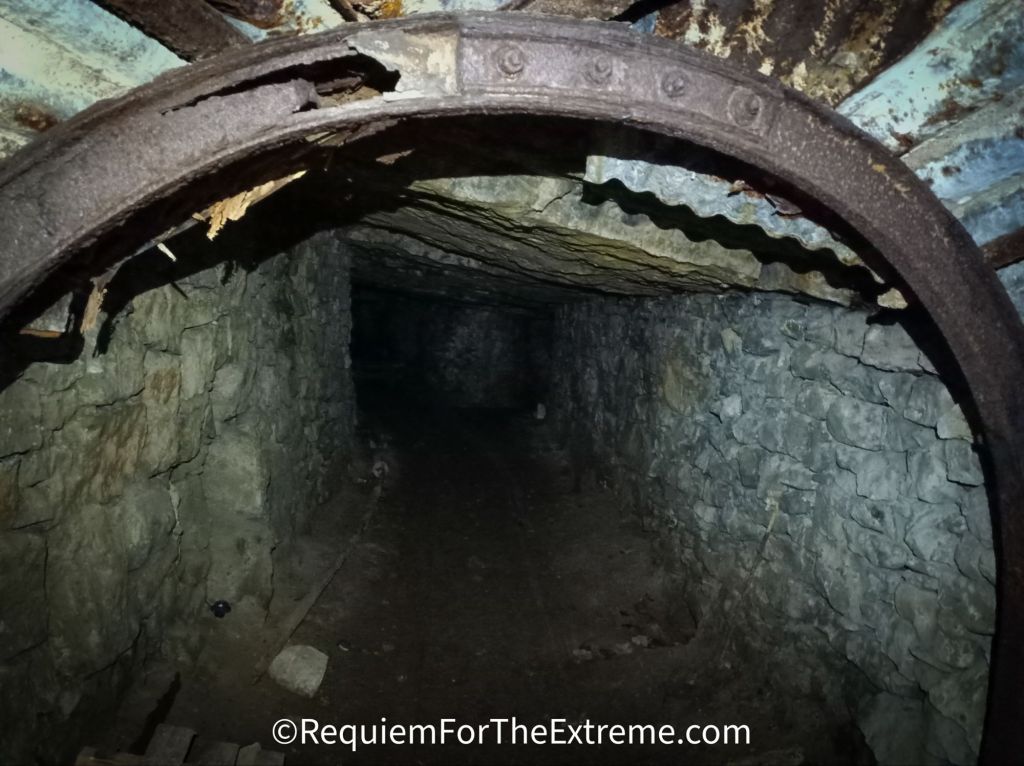
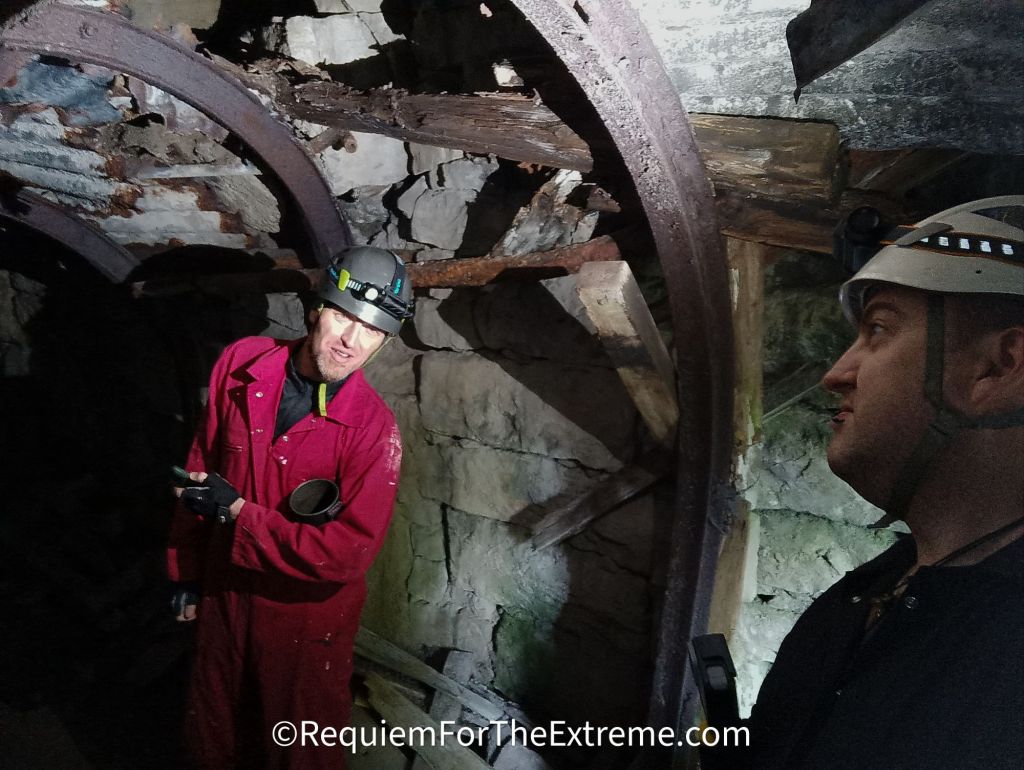

In the entryway which is adit one or the bottom level corrugated metal panels make up the ceiling along with metal archways. The first thing we come across is an old mining cart which is in amazingly good condition, sat on the rusting tracks looking like something Indiana Jones should be rolling along on being chased by henchmen. Or at least that’s what I’m picturing in my mind.
That’s Some Seriously Old Shit (literally)
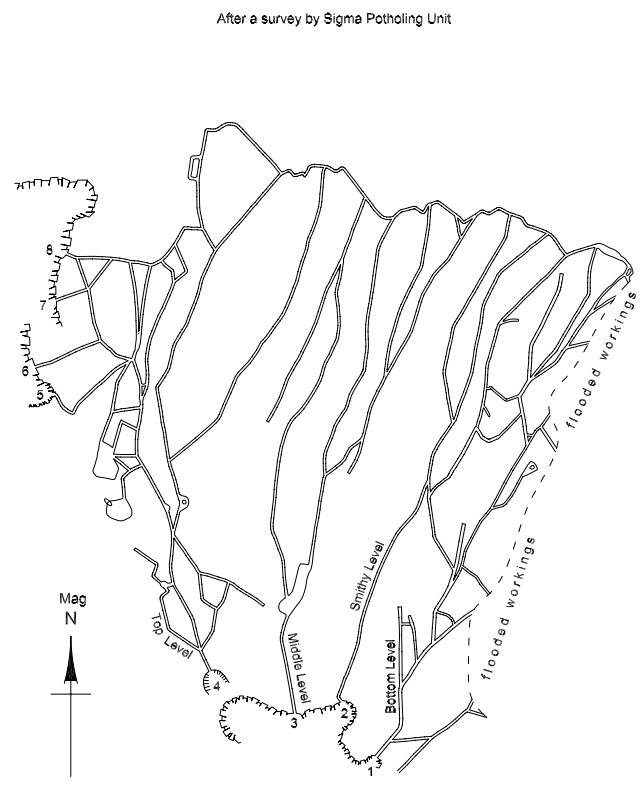
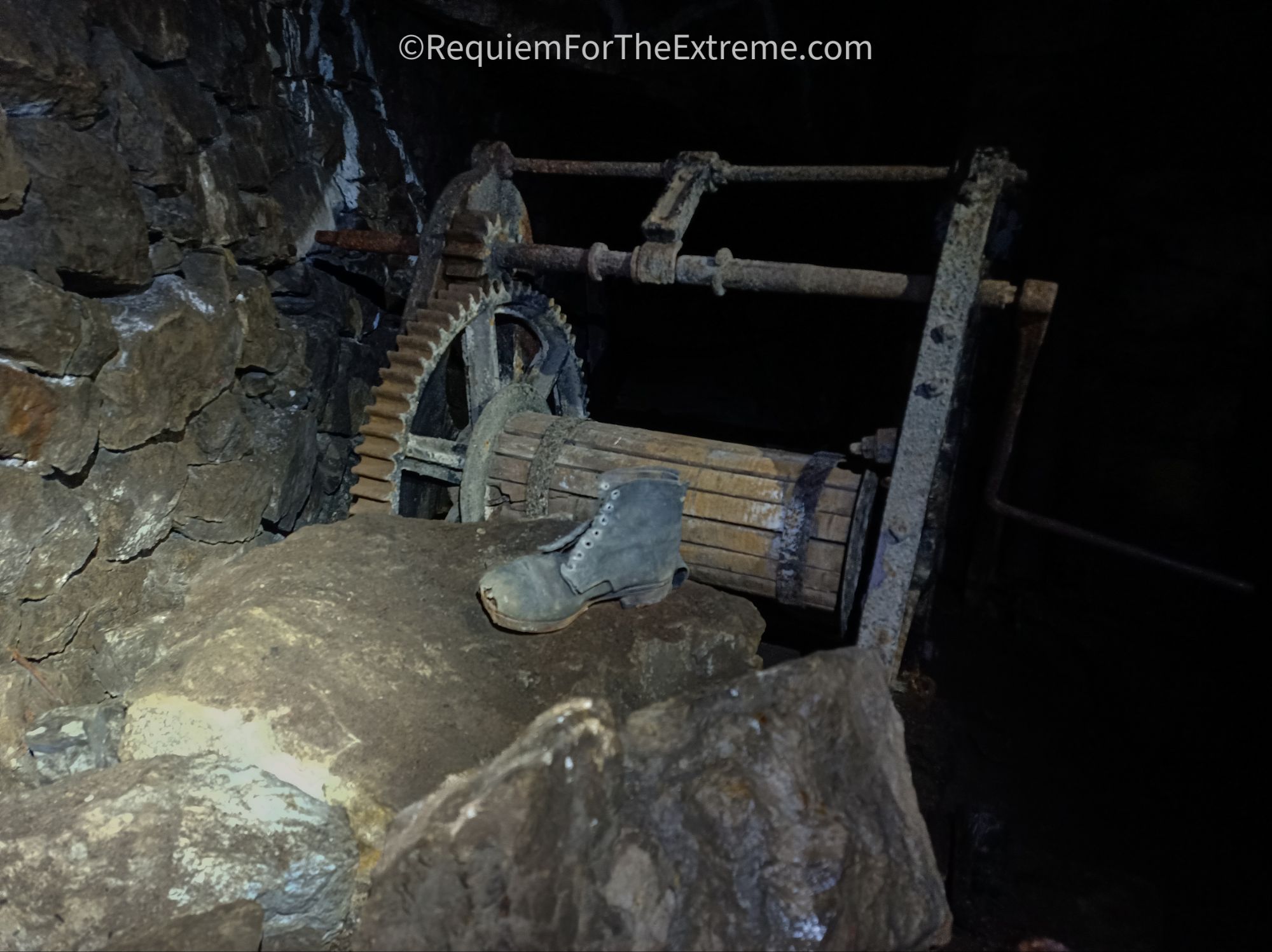
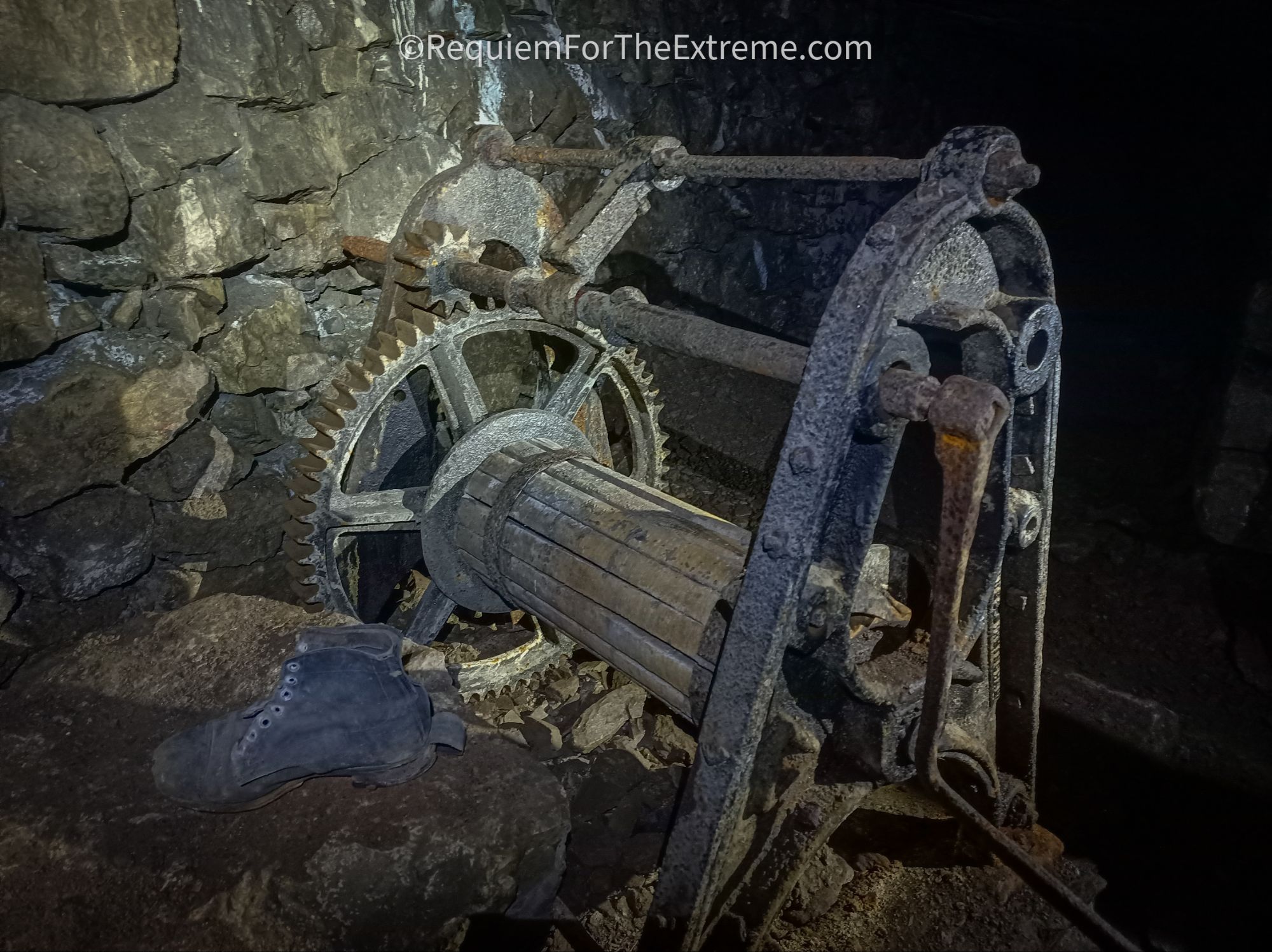
We have a couple of surveys with us all with various levels of detail so we set off exploring the passages and the going isn’t really difficult though the mine is listed as a grade 2. In caving terms that means the cave (or mine, it covers both) that may have a few small pitches which are areas you need a rope or ladder however they are not technical (difficult) ascending or descending, possibly some wading through water, not very hazardous or very long. The next thing we come across I don’t get a good photo of but we work out it’s clearly what was a very old and very basic toilet. Comprised of a large tin bucket and a big wooden seat with a butt hole cut through it, and it’s purpose is easily given away by the scraps of old newspaper which sit besides it for you can guess what. Not much later we also find one of the most photographed things in here which is the extremely well preserved remains of the winch, where a basic leather boot of unknown age also rests. It makes for some cool photographs – the winch still amazingly turns as well making a sound that the sound designer part of me loves. It wouldn’t be out of place in a horror film sound design session, with the heavy torture rack sounding ‘clunk clunk clunk’ it makes.
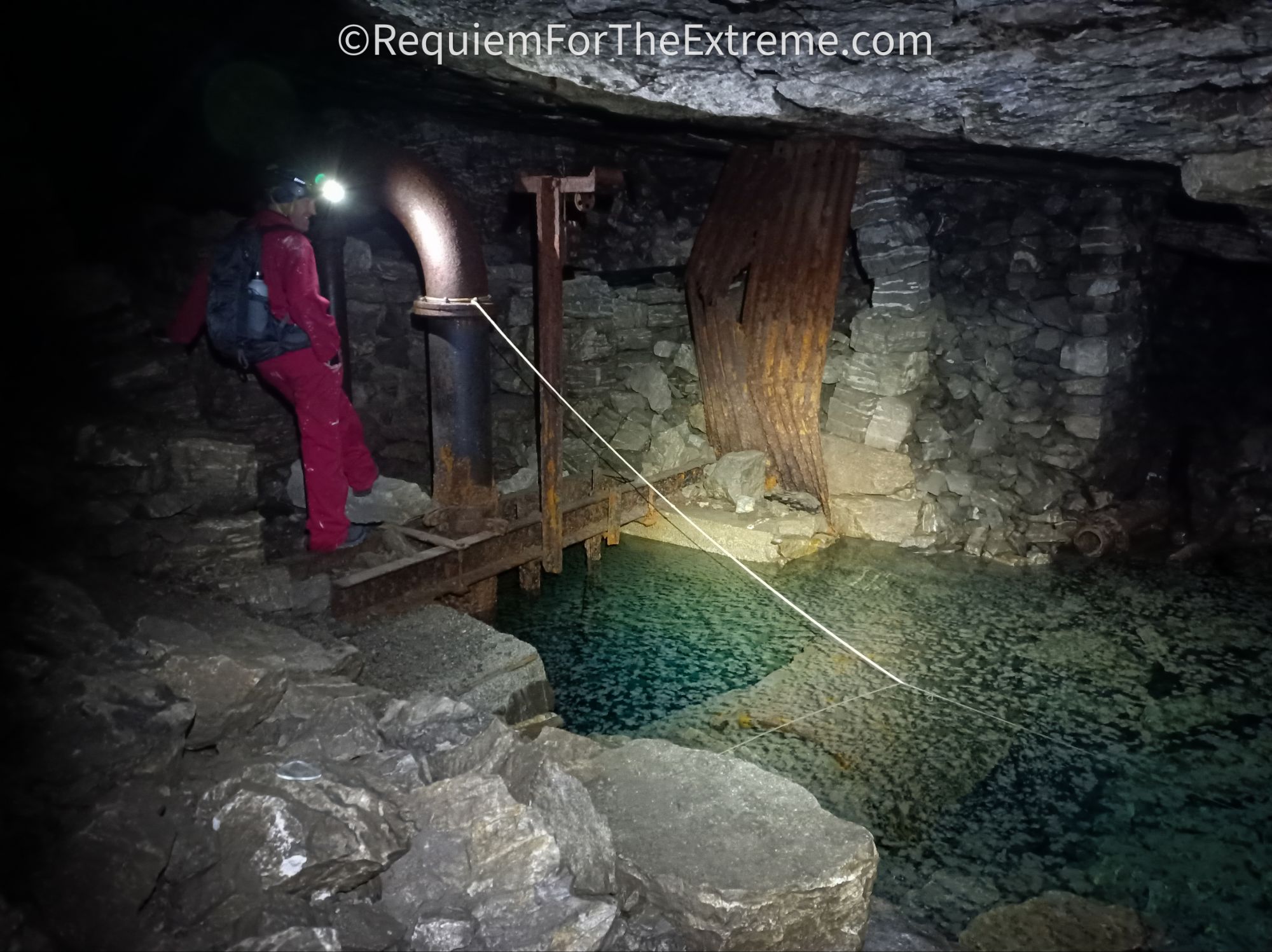
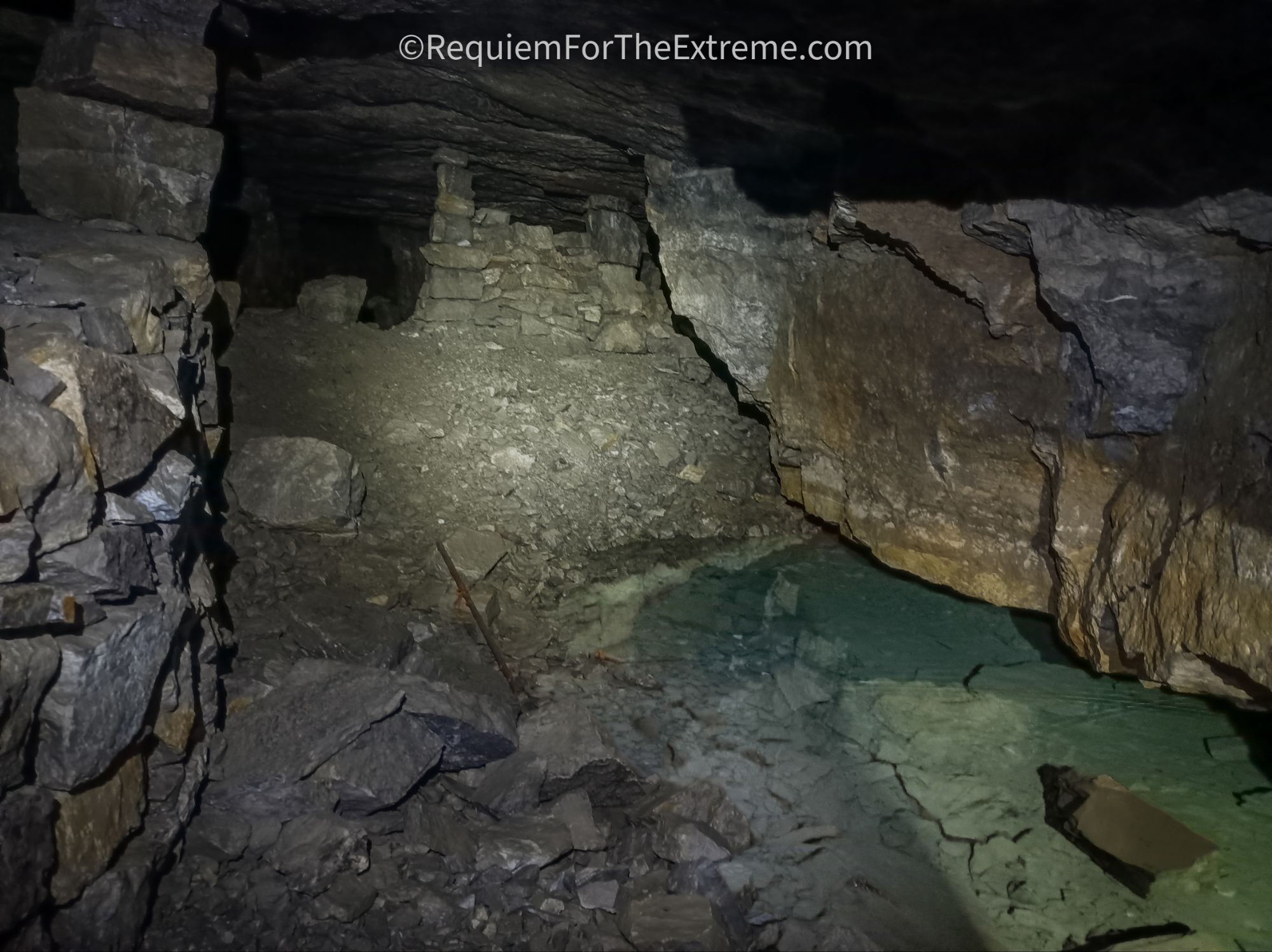
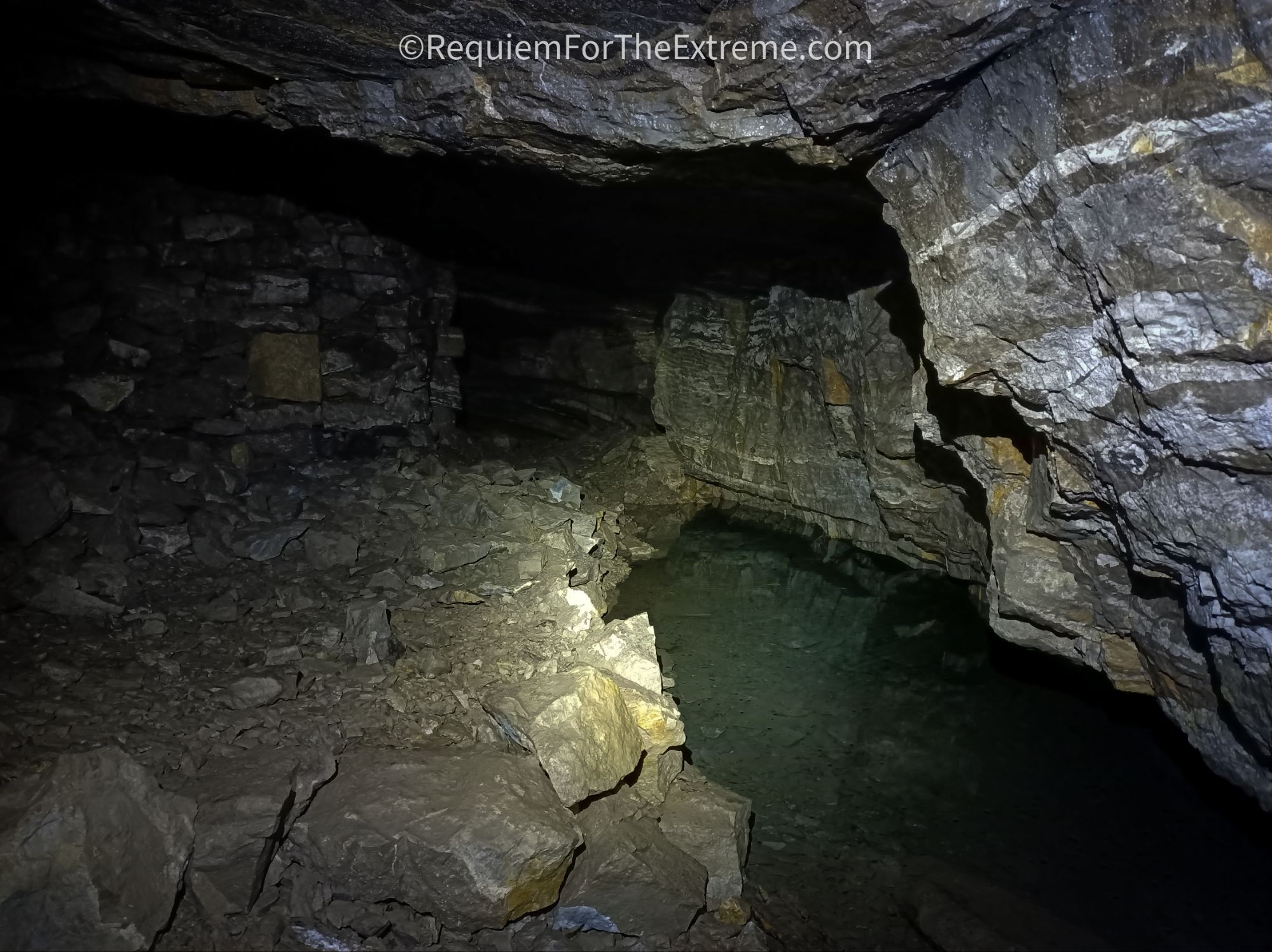
Holme bank is popular with cave divers because there’s a considerable amount of flooded workings and the water is very clear. We see what we assume to be some sort of guide line for the divers to follow a route tied off to one of the large rusted metal pipes, the sort of thing super Mario pops out of near where the water starts. The surface of the otherwise blue tinted water looks like someone’s emptied a pepper pot on top of it which will probably just be settled rock flour – fine dust created by mining which when wet also does an excellent job of covering you head to toe when you have a crawl through these places. I’m still not sure I fancy cave diving however the photographs of the dives you can see of the place such as in Divernets article “Journey into the Depths: Exploring Derbyshire’s Hidden Chert Mine” https://divernet.com/world-dives/8822/ look pretty amazing and if I did decide to try it somewhere like here would make it feel worth it I’m sure.



Leaving the flooded area we explore more of the mine looking around and often seeing discarded boots, which is always a slightly freaky reminder of the mines history, and then I start finding bits of mannequin. At one point finding a chalky white arm tucked behind a low wall. Cavers and explorers always seem leave these strange little gifts in places to try and freak each other out. One great example being the Christmas tree I mention in the blog Memento Mori – The Croesor Rhosydd Mine Through Trip it’s kind of like a weird tradition I guess and when later when I round the corner to see a pale white mannequin head with one eye cut out they almost succeed in giving me a jump scare. It’s close but my weird penchant for horror films and tendency to spend most of my life doing dangerous activities means the bit of my brain that triggers fear instead of ringing all the alarm bells does the brain equivalent of sending a second class letter as it is semi retired at this point. It does look really cool though so I spend some time getting the creepiest pictures of this possible which is not so hard.




Along the way I’ve brought lots of glowsticks in this case which make seeing our route back easier in case we get a bit off track or read the map wrong, always a useful thing to have. I try and remove them all as we leave as you should still observe leave no trace even if you are underground. The glowsticks can give a really cool effect for photographs as well so I’ll probably cook up an idea for a proper picture with them when I find a suitably atmospheric cave at some point.



A Dangerous Job
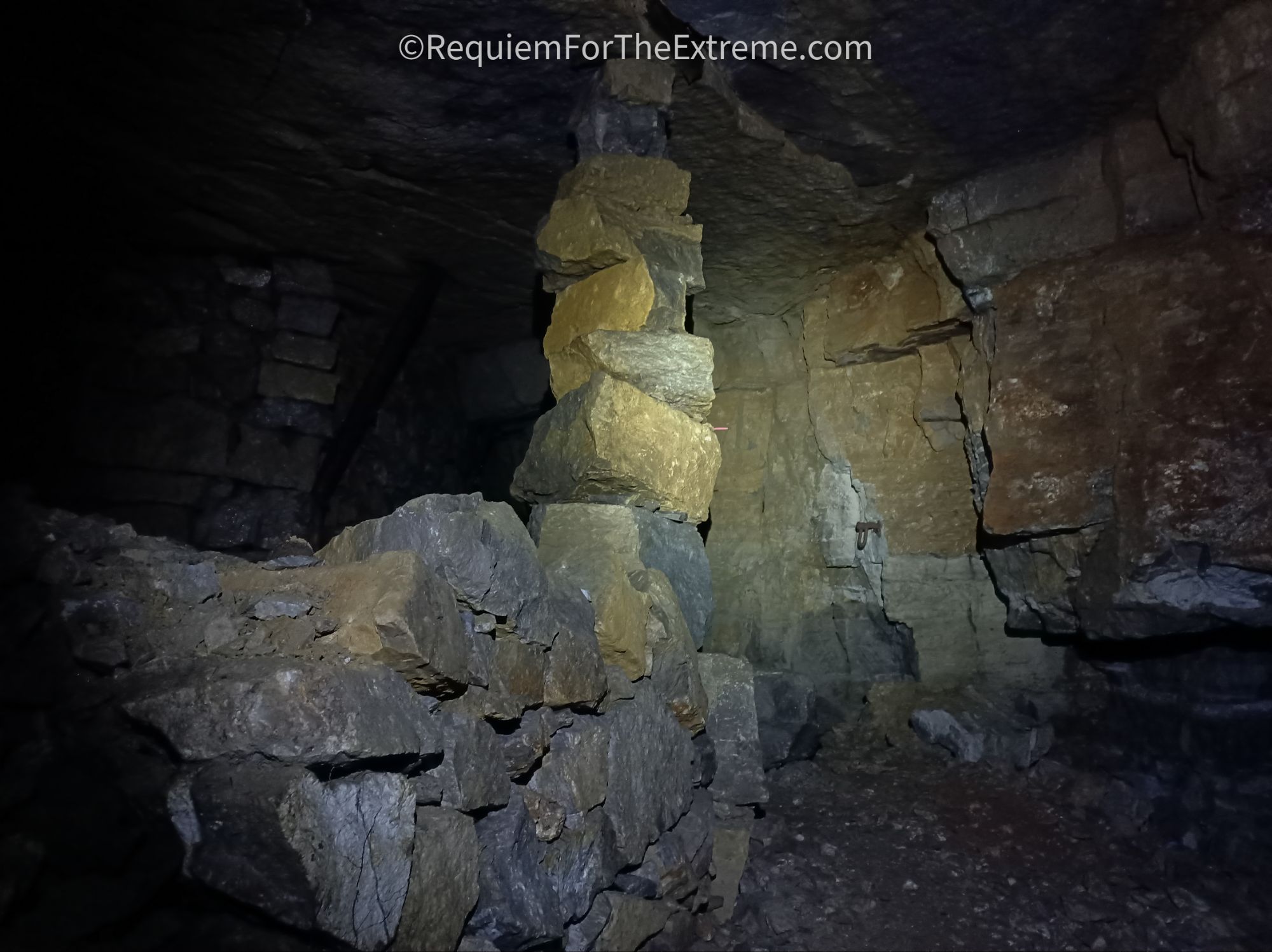
In the far reaches of the mine the ceiling is held up by stacks of waste limestone giving the place a look that reminds me of pictures that I’ve seen of the Paris Catacombs, another thing that’s on my ever growing bucket list. I make a mental note not to disturb any of these limestone stacks as a giant slab of limestone on the head I don’t feel would be a good way to end this trip. And talking of things dropping from the ceiling workers did die and get injured here, there was no health and safety and of course that wouldn’t become a thing until 1974, about a decade after the closure of this mine. There is not a lot of information for the very early years of the mine and it’s possible there were deaths and injuries that are unknown today. Recorded deaths at this mine include Matthew Hollis in 1899 who died from a charge that had not detonated exploding while he was setting new charges, in 1919 John Bond was killed by by a premature blast while returning to a charge In 1924 Walter Doxey had the misfortune of a piece of stone falling from the mines roof, killing him due to a skull fracture. Another danger of working in a Chert mine was Silicosis which is a lung disease caused by the inhalation of crystalline silica dust, which can develop after five to ten years of exposure if in an environment such as a mine. If the mining in question is for silicates it can even happen after a few months with heavy exposure to the dust produced. There is no cure for silicosis as the silica dust permanently scars the lungs, drastically shortening the life expectancy of those effected. Back in Georgian times this could have been confused with Tuberculosis and adequate safety precautions did not exist, and still did not exist by the 1900’s. Silicosis is not a problem just in Chert mines, it effects those who work in all kinds mining, pottery production, stone masonry and many other industries to this day.


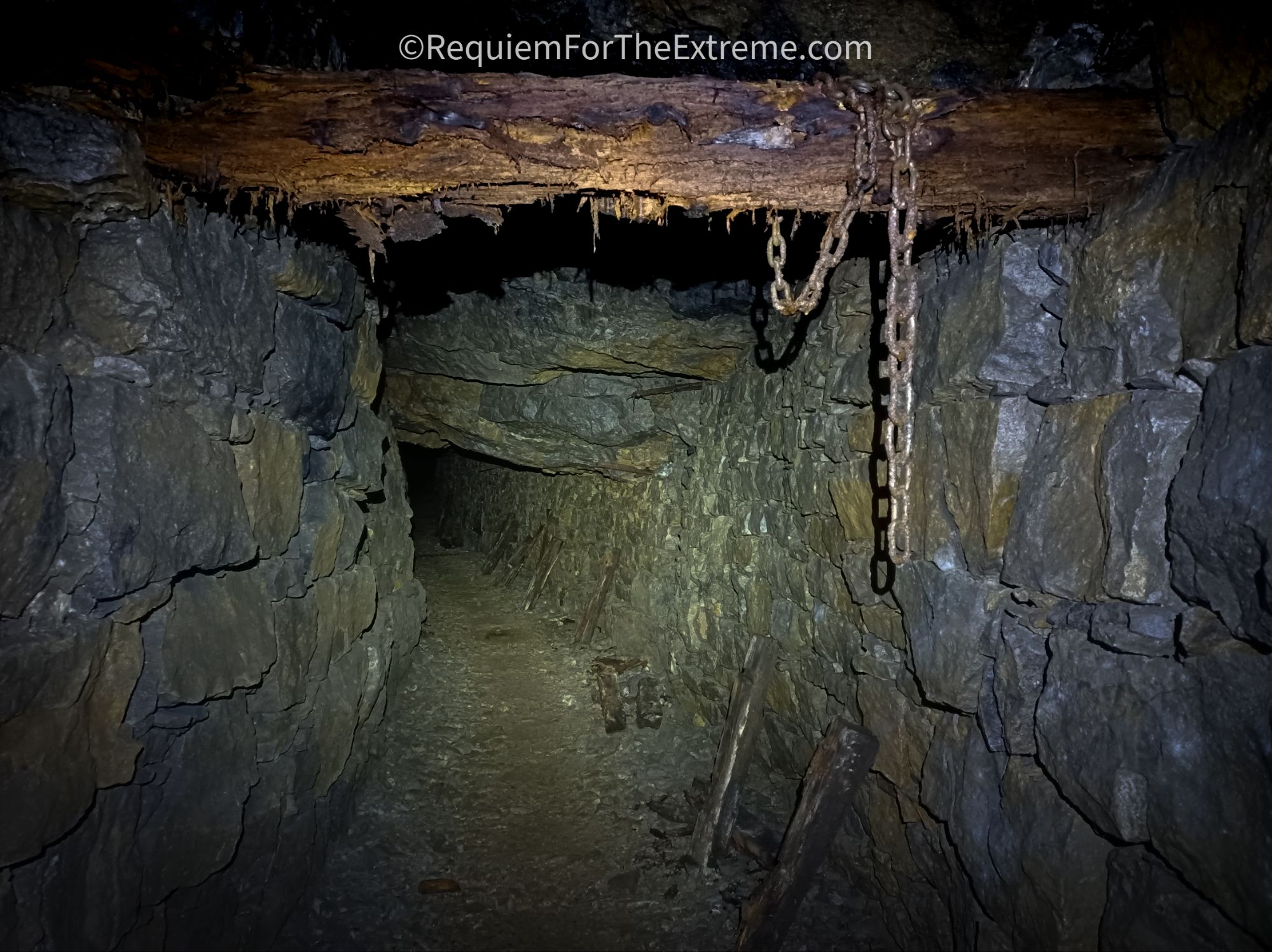
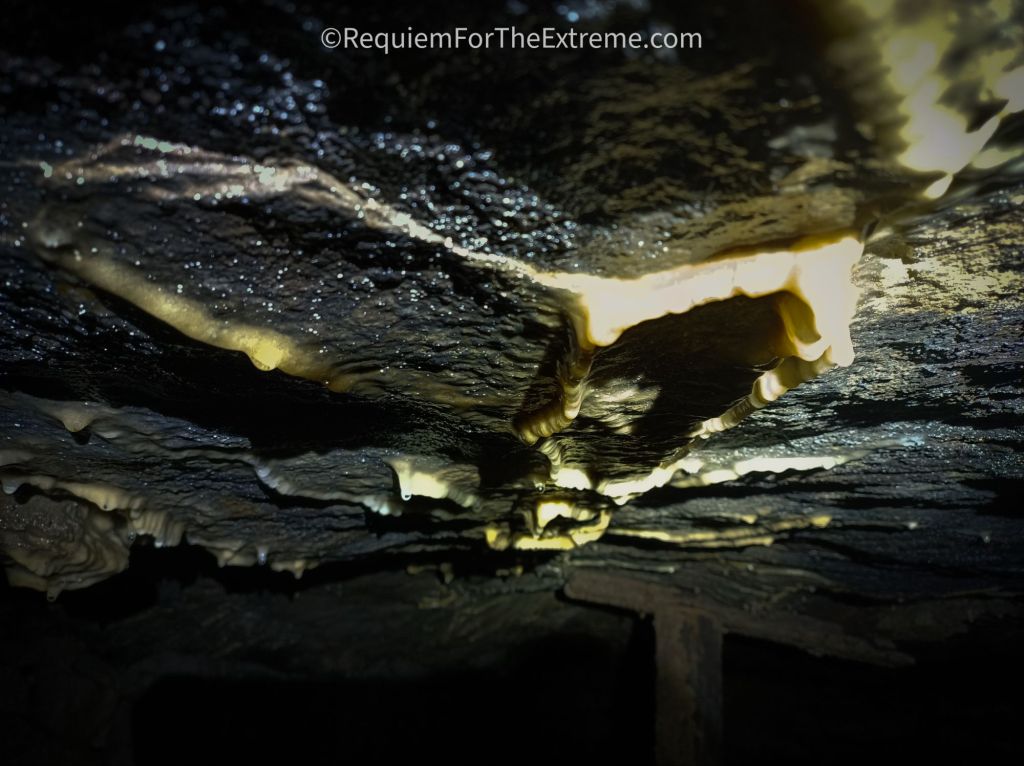
Some parts of the mine are far more cave-like at the work faces where the miners would have been extracting the chert. In many of the passages rusting chains hang from the ceiling in a dungeon-like way. Rotting wooden beams cross the passageways and ceiling feels pretty close. In places the beginnings of stalactites and from the limestone roof.
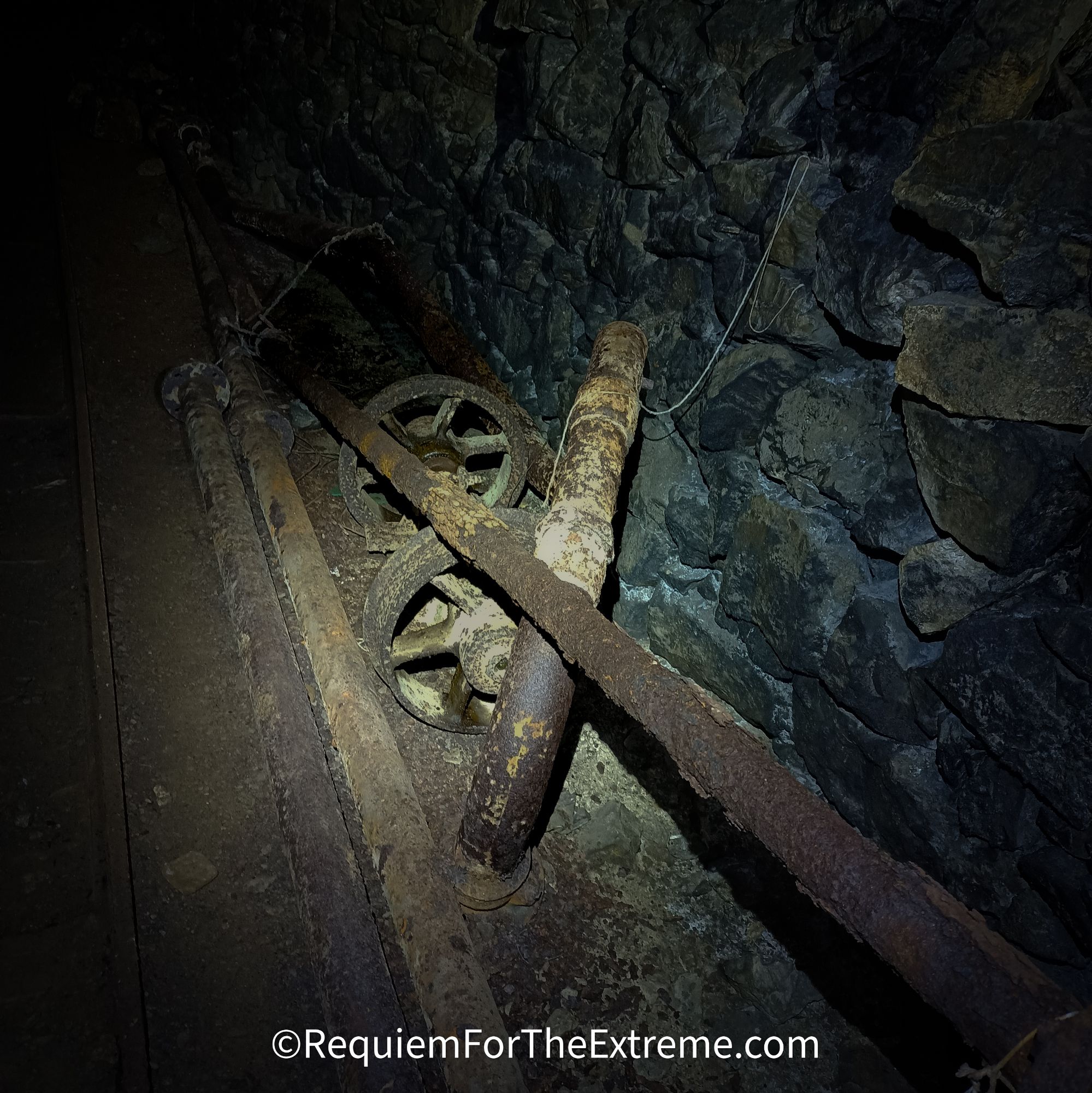
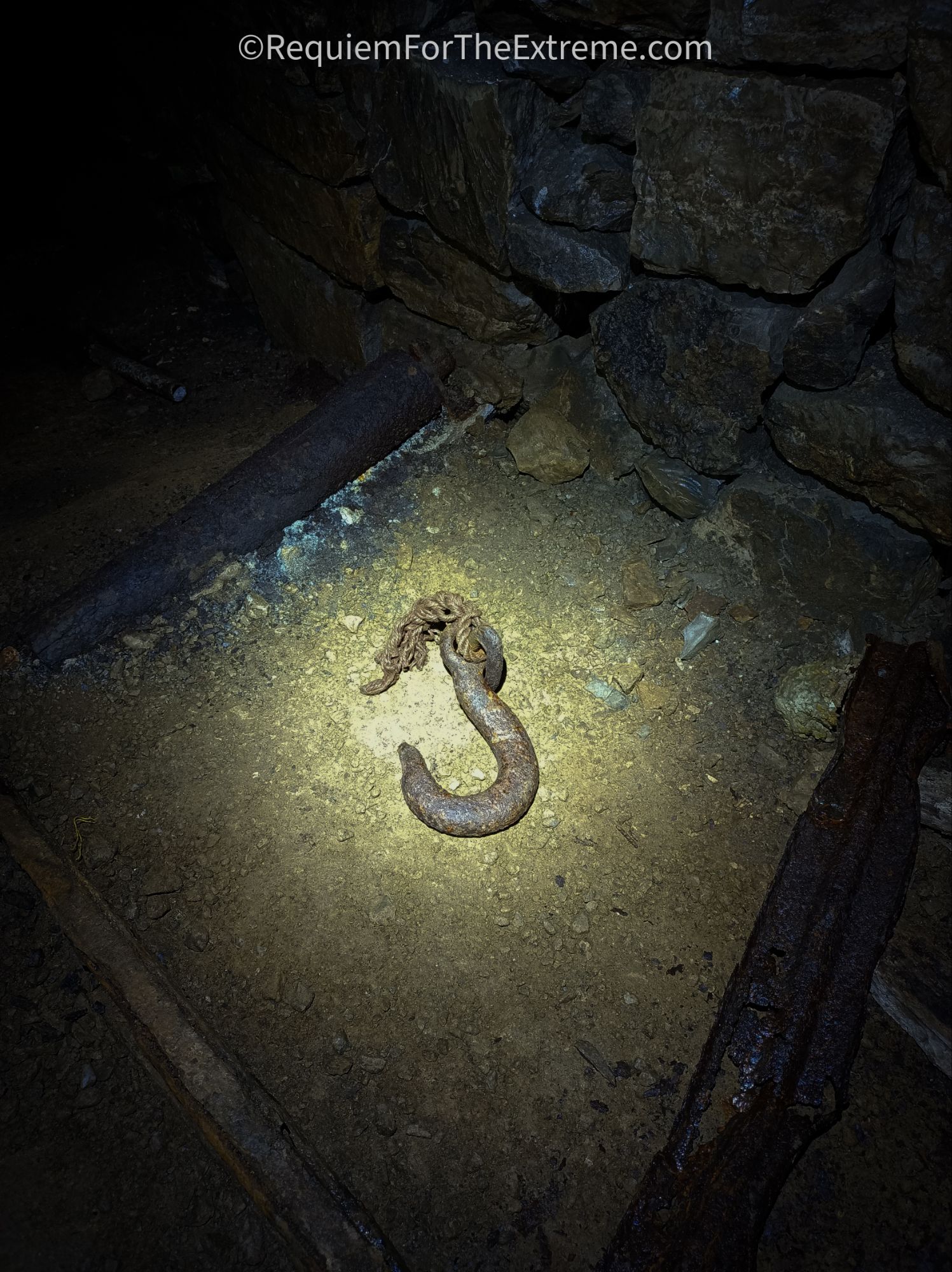
Around the tunnels there are still plenty of items left ranging from old barrels, pipe couplings, winch parts, the rusted remains of shovel heads, the shovel handles long rotted away, hooks from winches, rusted oil cans, piping and parts from the mine carts. At the start of the Smithy level there’s even what’s left of a massive pump which makes for another cool photograph. When we finally emerge from the mine it’s still baking hot outside which is distinctly uncomfortable in caving attire however the sunny day is even more appealing – that and the nearest pub.

 Requiem For The Extreme