
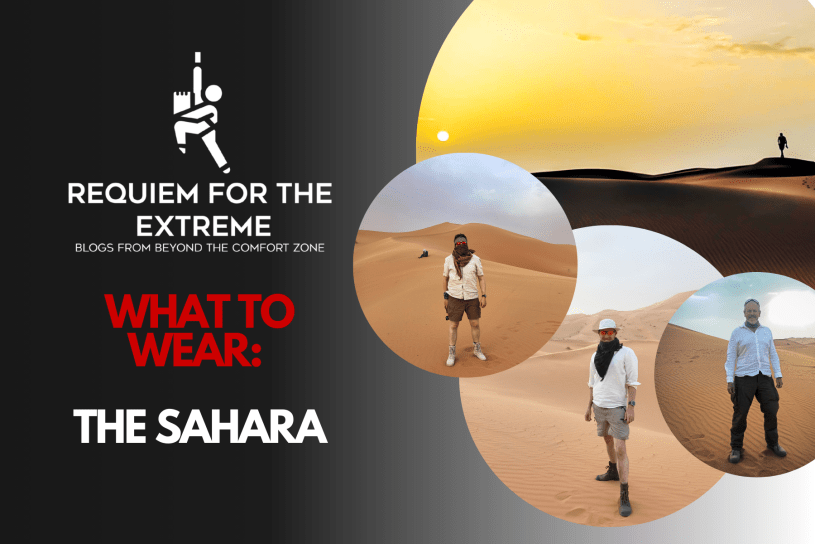
The Focus Of This Guide
There are many types of desert all of which are arid or semi arid areas, meaning they have very little rainfall or water. The Sahara which this guide focuses on is one of a number of hot Sub Tropical Deserts, which are found along the Tropic of Cancer and the Tropic of Capricorn in Asia, Africa, Australia, America and The Middle East. While this guide may also be of use for these other Sub -Tropical Deserts it’s important to bear in mind that all deserts have their own unique variations in terrain, elevation, wildlife, seasons and more.
The Right Clothing Is Important
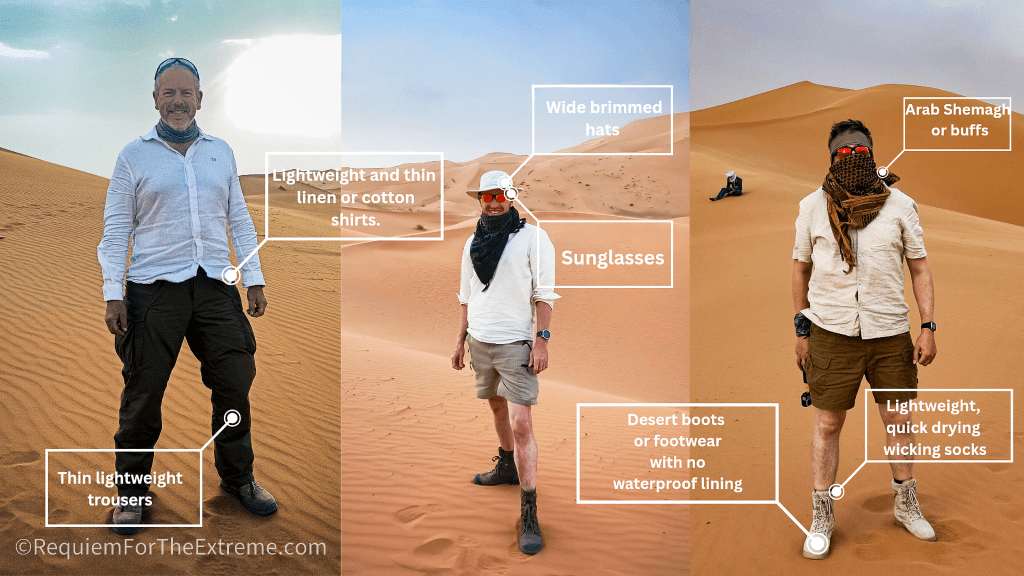
So at this point you’ve organised your trip or expedition or booked with a tour operator and are soon you will be stood in the hot sands of the desert. If you are desert trekking or on a desert safari you may have spent quite a lot of money for the experience and you want the right clothing and gear for comfort and to enjoy the experience to the full. Alternatively you may have booked the cheapest tour possible, and need to make sure you have the right gear so the experience is less uncomfortable! You want to keep as cool as possible in the heat, protect yourself from the sun, prevent or reduce the risk of unfortunate minor injuries caused or worsened by clothing and footwear such as blisters on the feet, sunburn, heat rash, chafing and heat stroke. When choosing clothing for the trip make sure to look for the following basic attributes:
- Loose Fitting: To prevent chafing
- Light Coloured: As black clothing can absorb up to 20% more heat than lighter coloured clothing.
- Breathable: The fabric allows sweat vapor to escape easily and allows air to circulate
- Wicking: The fabric moves sweat away from the skin and promotes evaporation.
- Packable: Consider weight and space! Some clothing packs down and weighs less than other clothing.
Various Materials
Some materials that work well in hot climates are polycotton, linen, wicking fabrics such as tencel, bamboo , and various weaves of polyester. Its worth checking when choosing your desert clothing the GSM (Grams Per Square Metre) of the fabric. Lightweight to lower medium weight 100-200 GSM is best depending on how much you feel the heat. Or alternatively comparing weights of each item depending on what fabrics and clothing you choose.
Below is a breakdown of some of the fabrics available and their pro’s and cons. Be aware that environmental impact / sustainability can vary massively by manufacturer, if you want to be sure you can usually trace production yourself through reputable outdoor clothing brands. There is not enough room in this article for that much of a deep dive, that’s up to you the reader. If you just want to see what we chose to wear, skip onto the next section!
| Fabric | What Is It? | Pro’s | Cons |
|---|---|---|---|
| Polycotton | A blend of cotton and polyester fibres. Often used in heavy duty workwear and tactical / military trousers and hiking trousers. | Tough and breathable, cheaper than pure cotton. Outperforms pure cotton in moisture wicking and drying time. Often has elastane woven in for stretch improving fit and comfort. Clothes made from this tend to last quite a long time as the fabric is very durable. Usually quite fire resistant. | Quite rough if you have very sensitive skin. More risk of skin chafing for some. Usually quite fire resistant. Can be heavy compared to purely synthetic fabric and doesn’t pack down as small. Not considered biodegradable due to polyester content. |
| Bamboo Fabrics (Various Blends and Brands) | The chemically processed cellulose pulp of bamboo grass processed and spun into a yarn, often blended with other fibres depending on brand to give it additional properties. | Soft and comfortable (softer than polycotton or linen for example) Can be found quite cheaply. Good at wicking sweat drawing around 40% more away from the skin compared to cotton. Has antibacterial properties and reduces odour naturally. The bamboo plant grows incredibly quickly and can be a low impact crop. Biodegradable. | Marketed as eco friendly but really depends on the manufacturing process. Not very durable compared to Polycotton for example. |
| Synthetic Fabrics (Coolmax, Capilene®) (Note not all types are listed here, this is ‘in general’) | Different blends and weaves of polyester, nylon, and polypropylene with added technologies to improve drying time and bacteria resistance | Usually lightweight compared to natural fibres/fabric. Often have elastane woven in so they can stretch. Good at moisture wicking promoting evaporation and keeping the wearer cool and dry. Used in clothing for high impact activities. | Some can start to smell if worn on multi day trips unless they have an antibacterial treatment like Polygiene StayFresh™, Silvadur™ Most synthetic fabrics are not biodegradable. |
| Tencel | Wood pulp Cellulose extracted and spun into yarns then fabric | A softness comparable to cotton while still being light weight. Biodegradable and natural. I find this stuff actually more comfortable than cotton. | Can shrink up to 5% smaller. More complex care than some synthetic fabrics. |
| Linen | Hollow flax fibres | Natural,can be cheaper than pure cotton and is more durable and easily available even from non specialist shops. Good at keeping you cool when it’s hot and warm when it isn’t due to it’s hollow fibres. Absorbs less heat than Cotton if worn next to the skin. Hypoallergenic & Antibacterial. Very sustainable, requires very little water or pesticides to grow. | Can be a little rough on the skin for sensitive skinned people. Not very stretchy, probably not suitable for wearing if carry a heavy pack due to rubbing. heavier than cotton my comparison. |
| Cotton | Cotton fibre is fibre harvested from seed pods of the Gossypium plant. The seeds are removed the fibre is cleaned and then spun into yarn. | Can be quite cheap due to mass production. Very soft, natural material. Can be great if bought at a low GSM weight and blended with other fibre. Very breathable if dry. | Can absorb up to 25% of its weight in moisture. Takes longer to dry than most fabrics (usually hours) especially synthetic. Moist or wet cotton can cause chafing. Not a good wicking material , not very breathable if damp. |
Desert Boots
Desert boots tends to be a light colour to reduce heat absorption additionally none of the boots we have chosen below have a waterproof membrane inside the boot. There’s no point having something like Goretex for example in our boots in this situation as it’s highly unlikely to rain for a start. Even if it does rain in such a hot environment if we have decent footwear fit for the purpose the footwear and our feet will soon dry out again. No waterproofing layer means we can have cooler and drier feet and less chance of blisters. Mid to high ankle boots are a good choice as they will help keep the sand out and also offer ankle protection. I’ve listed our choices of footwear below, these are just suggestions as there’s many other products out there with the same purpose however they should give a good idea of what features you should be looking for in your desert boots.
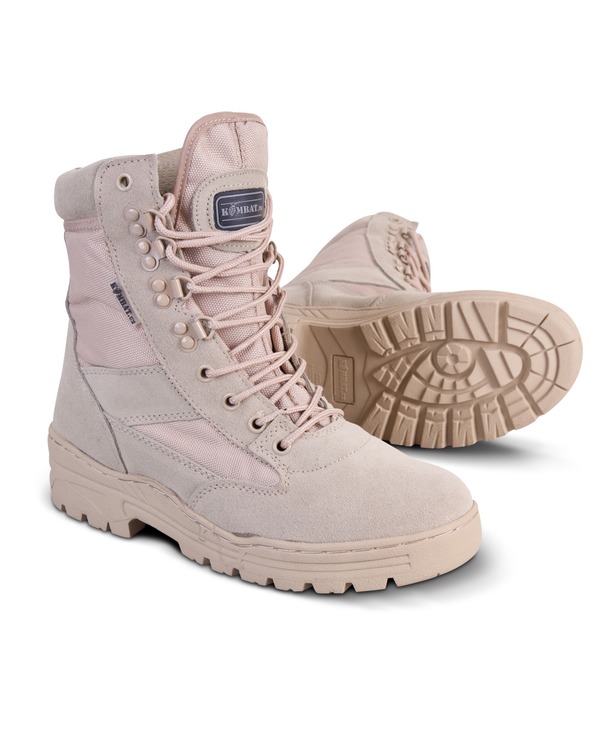
Mark: Kombat UK Desert Patrol Boots
Pro’s: Quite comfortable and very breathable, lightweight and a very reasonable price.
Con‘s: Not available in half sizes giving me the choice of having way too much room or my toes being a bit close to the end of the boot which wasn’t ideal. This tends to be a thing with gear intended for military use unfortunately! Insoles fairly insubstantial – I replaced mine with Superfeet.
Specs: Cow suede and heavy duty 1150d nylon lining, Padded cow suede collar, Oil resistant rubber sole with steel shank, Nylon lacesBronze eyelets & removable eva inner sole, Cow suede and heavy duty 1150d nylon cambrella lining
Price: From £39.95
Available From: Kombat UK
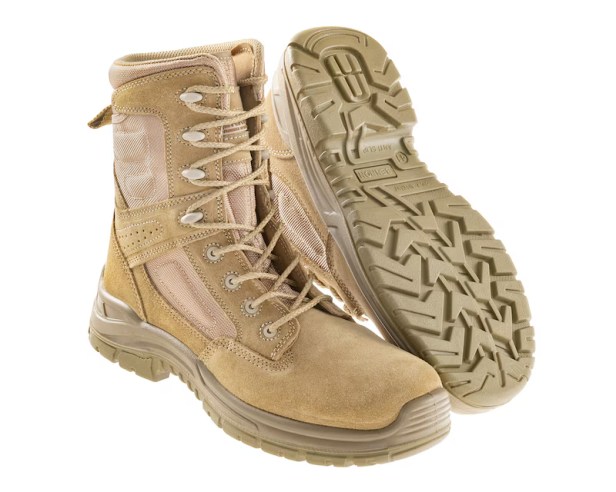
Rob: Bennon Commodores Boots 01 Desert Light
Pros: Neither a pro or a con but found the fit to be on the larger side.
Cons: Nothing really!
Specs: 2 mm thick cowhide full-grain leather upper, Cordura reinforced collar, EVA insole, breathable mesh inserts
Price: £56.50
Available From: Military EU
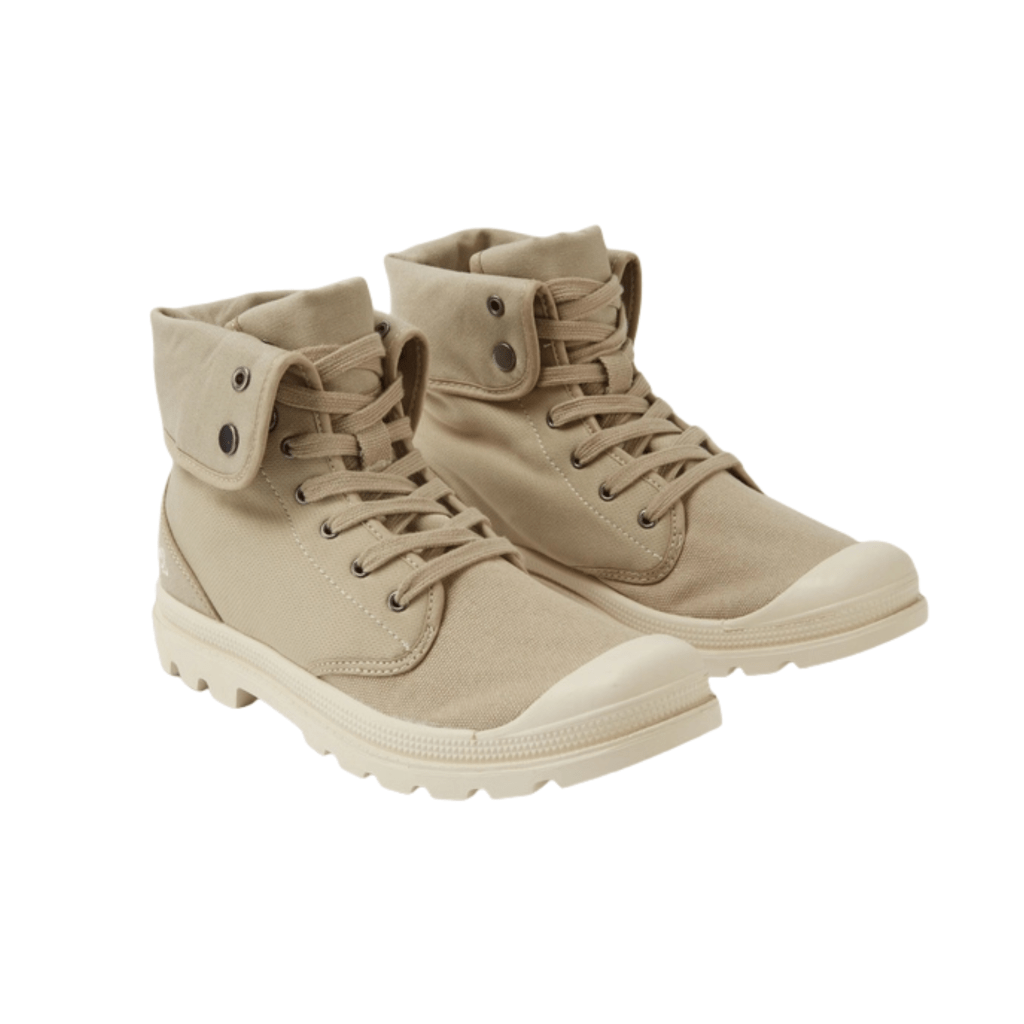
Andy: Craghoppers Mono Hi 2 Desert Boot
Pros: Felt comfortable and breathable, I thought being able to have ankle support you can roll up or down was useful, light and not bulky. Good for walking on sand.
Cons: Insoles provided were quite basic – I replaced them with Superfeet for more comfort.
Specs: Anti-Insect, 70% polyester, 30% cotton uppers, Recycled Nosilife mesh (insect repellent)
Price: RRP £90
Available From: Craghoppers
Shorts Or Trousers?
This is a question of comfort, personally I find shorts are cooler for me however the downsides are having exposed legs which means having yet another place to douse in sunblock. Another downside is the Sahara is often very windy and the strong gusts of sand laden air hitting your exposed legs can range from slightly uncomfortable to almost painful. Trousers keep the sun off and the sand off however they can be a lot warmer, for the best of both worlds zip off trekking trousers are worth exploring.
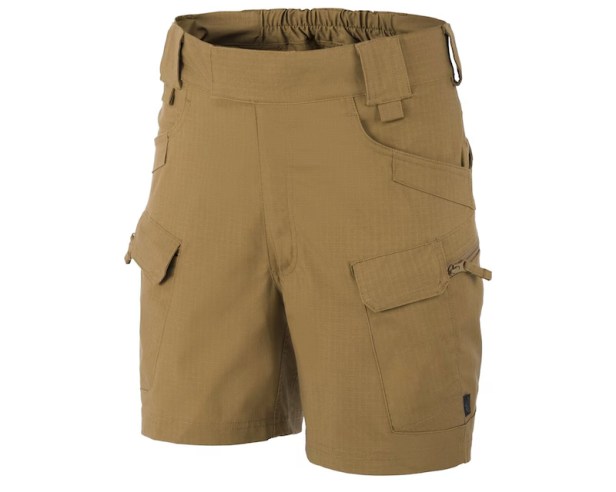
Mark: Helikon-Tex 6″ Urban Tactical Shorts
Pros: Great fit, can be worn with or without the belt, tough 200 g/m2 (bottom end of medium weight) Polycotton Ripstop which is good for temperatures up to 40°C being between mid and lightweight. Wide velcro fastening and elasticated waistband very comfortable and adjustable. Loads of pockets (10!)
Cons: Nothing really! These were also great for the rest of our trip around Morocco.
Specs: YKK zippers, elasticated, polycotton ripstop, belt loop up to 50mm, 200 g/m2 fabric just slightly more than lightweight
Price: £33 – £44.99
Available From: Military EU
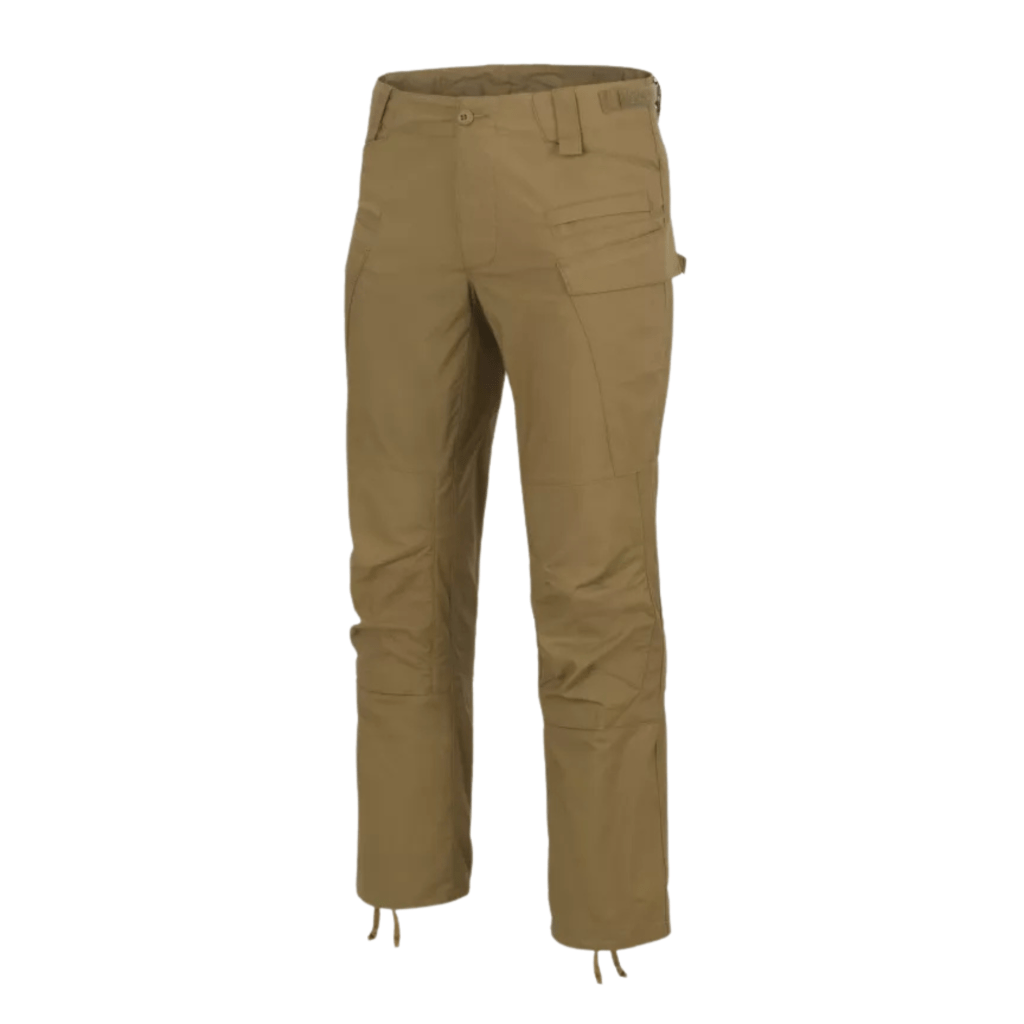
Rob: Helikon Tex SFU Next Pants
Pro’s: Good fit, tough ripstop material
Cons: Nothing really!
Specs: Polycotton stretch Ripstop, 2 way stretch material, multi-point adjustments on waistband and legs, re-enforced knees and seat, 8 pockets and wide belt compatibility
Price: Around £43
Available From: Helikon Tex
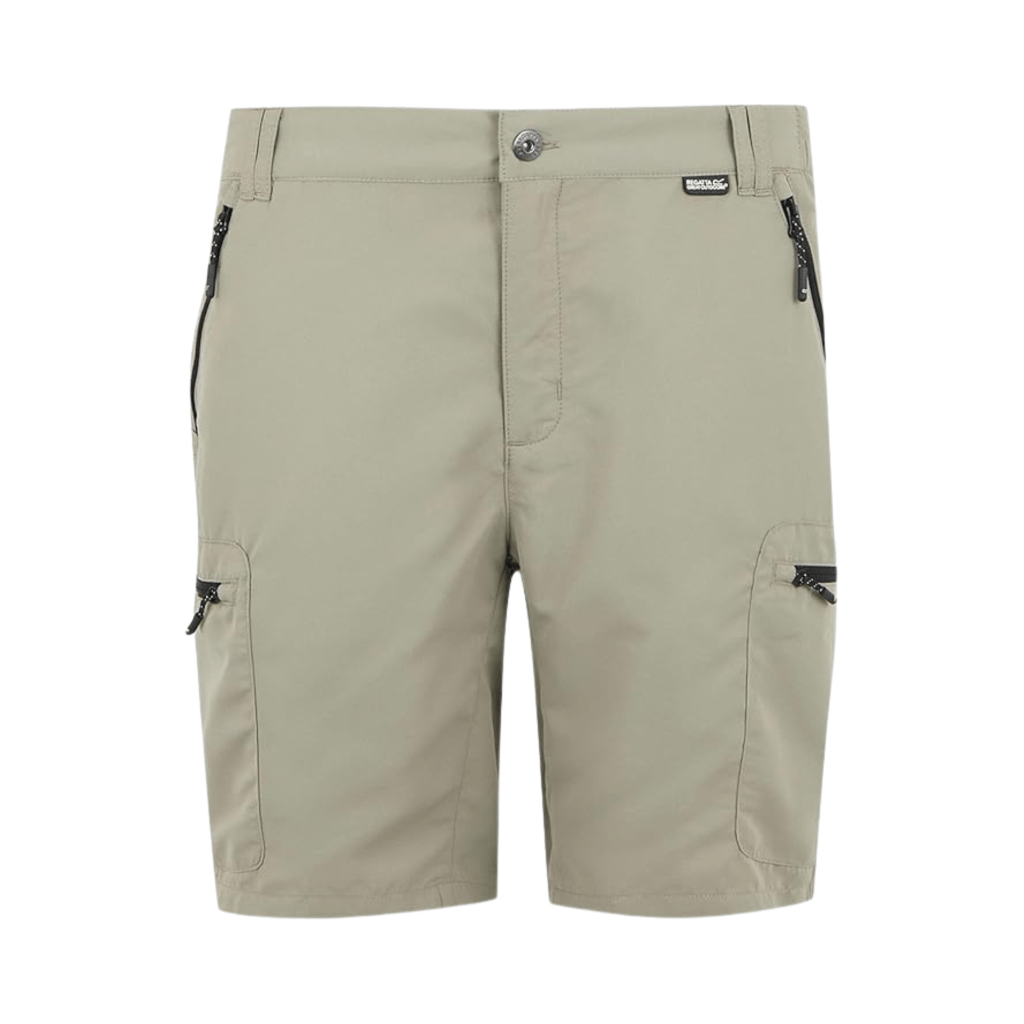
Andy: Regatta Leesville Shorts
Pro’s: Comfortable and lightweight
Cons: Belt loop?
Specs: UPF 50+
Price: Very variable as there are a few versions
Available From: Numerous retailers
Shirts And T- Shirts
T shirts generally keep you cooler and have better air flow however short sleeves again mean more skin area is exposed to the sun, between us we went for a combination of long and shorts sleeve tops. I’ve not put any ratings in here, these sorts of shirts and t-shirts are really common and can be picked up in specialist and non specialist retailers. In this case we all opted for linen shirts, Andy and Rob long sleeve and myself short.
Linen Shirts:
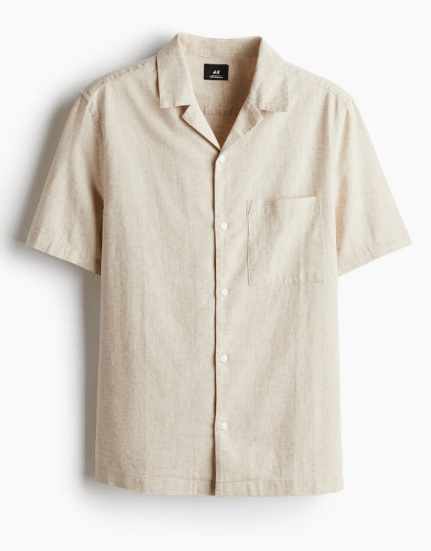
Mark: H&M Regular Fit Short Sleeved Linen Blend Shirt
Pro’s: Nice and cheap and quite packable, easy washing and care compared to technical outdoors shirts/t shirts which can be good while travelling.
Con’s: Not as packable as a technical t shirt (for example a mountain equipment head point is about 30g lighter)
Specs: Linen and recycled cotton blend. Apart from that, well its a shirt.
Available From: H&M
Another option is wicking synthetic t shirts and in this case you don’t have to spend a lot of money on these you can do this on a budget so here’s some budget and more technical t shirts also which are more suitable if you have sensitive skin or if you intend to go desert trekking. Running and climbing, hiking and even military issue wicking t shirts can be used as well as they use similar fabric technology. In some cases these are super light weight and therefore very fast drying and packable and ideal for use for travelling in hot countries!
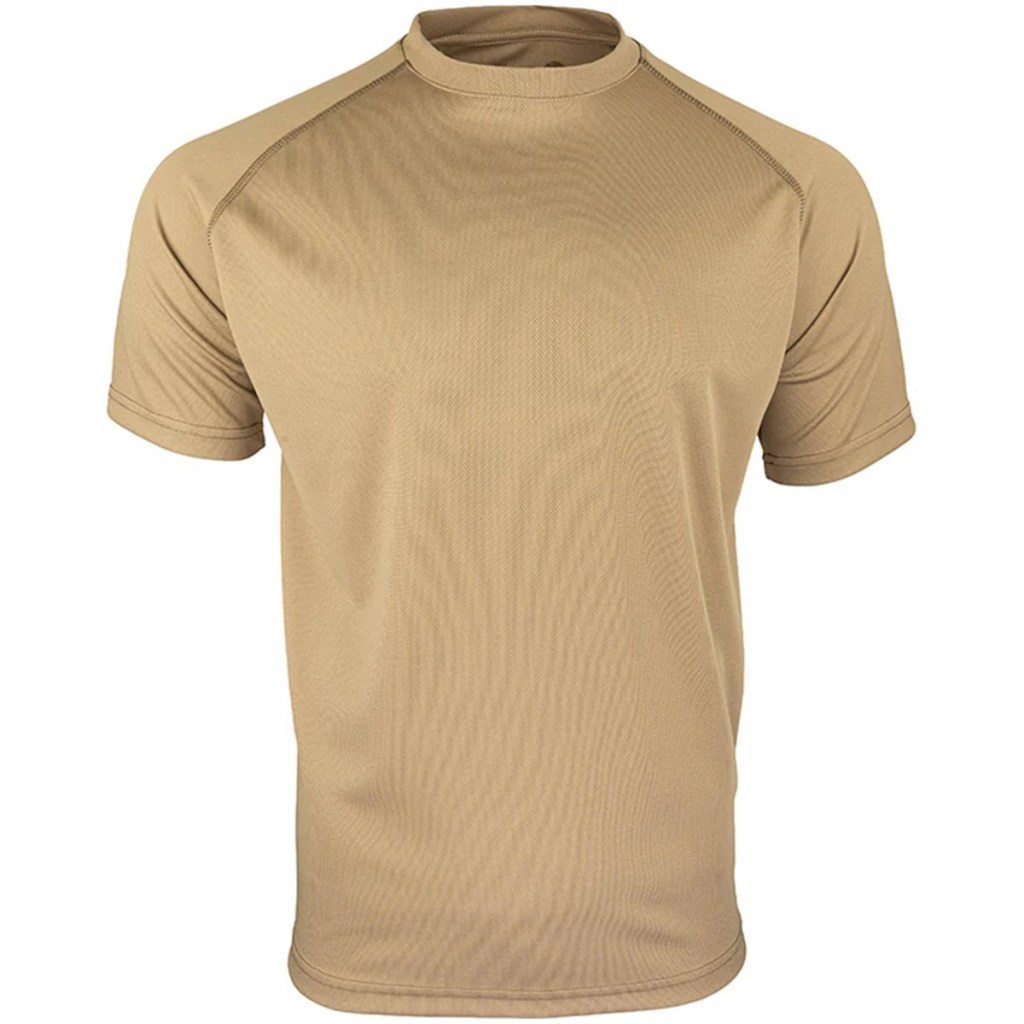
Viper Mesh-Tech T-Shirt
Just one example of many very reasonably priced military wicking t-shirts.
Specs: Moisture wicking, flatlock seams for reduction of chafing.
Price: £11.50
Available From: militarykit.com
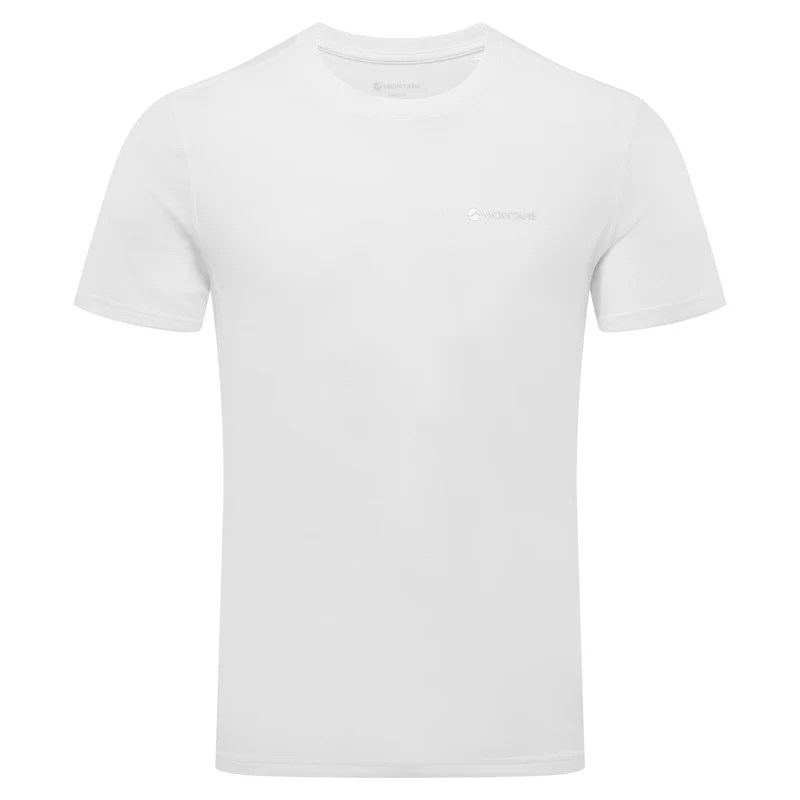
Montane Men’s Dart T Shirt
Montane makes some great kit, often very lightweight. Worth checking out if your adventure is more hiking based.
Specs: Super lightweight at 120g, POLYGIENE® permanent odour control so you can wear it over multiple days
Price: £30
Available From: Montane
Hats
Hats: To keep sun off your head as heat stroke is not much fun. It reduces direct exposure of the head to the suns rays and if you are not wearing a scarf also provides shade for the neck / face and ears.
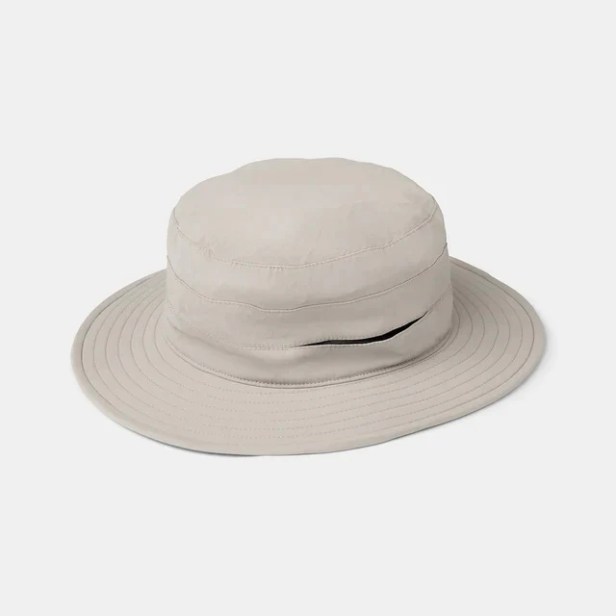
Andy: Tilley Ultralight Brimmed Sunhat
Pro’s: Very lightweight, sustainable, hardly takes any packing room
Cons: Tilley are great however there are alternatives with a better price point if you are on a budget.
Specs: UPF50+ fabric, PFC-Free DWR finishing, Quick Dry fabric with stretch, Tuckaway Wind Cord, Lightweight and packable, mesh ventilation
Price: £45
Available From: Tilley
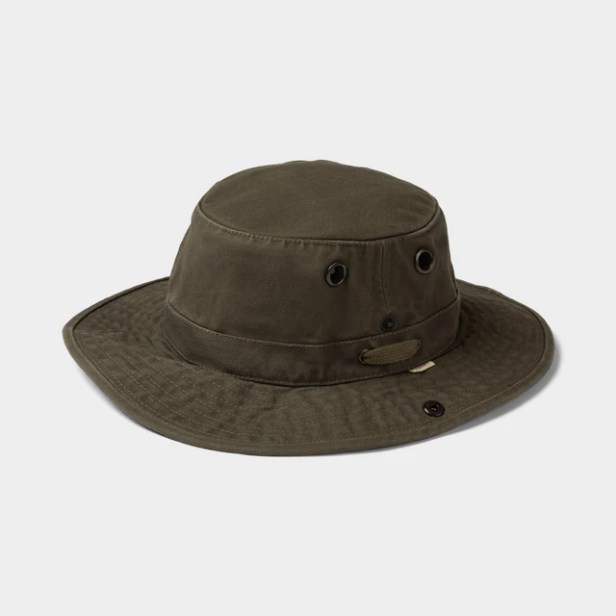
Mark: Tilly T3 Vintage Wanderer
Pro’s: Rugged fabric and easily packable, sides of hat clip up which stops it catching the wind as much and go be useful if using equipment that needs to be held to the eye/ shoulder.
Con’s: A bit on the expensive side if you don’t plan to wear it a lot however it is covered by Tilley’s ‘Guaranteed For Life’. You have 60 days to sign up for this via the Tilley website.
Specs: Rated UPF 50+, Guaranteed for life, DWR (Durable Water Repellent) Finish, OEKO-TEX® certification, Hidden Pocket, Moisture-wicking Hydrofil®, Tuckaway Wind Cord, Grommets (for ventilation)
Price: £75
Available From: Tilley
Headscarfs and Shemagh
The Sahara is very dusty and a headscarf or buff keeps sand out of hair and the mouth. In deserts as there’s often strong winds due to weather systems (look this up) and that means whipping gusts of sand. Fairly often this stings like hell. There’s a good reason why people who live in arid areas wear face scarves. These you can get many places – you’ll definitely have someone trying to sell you one if you are in the Sahara region, though we did get ours online. As a backup as well I always take a buff – in a desert colour this time of course
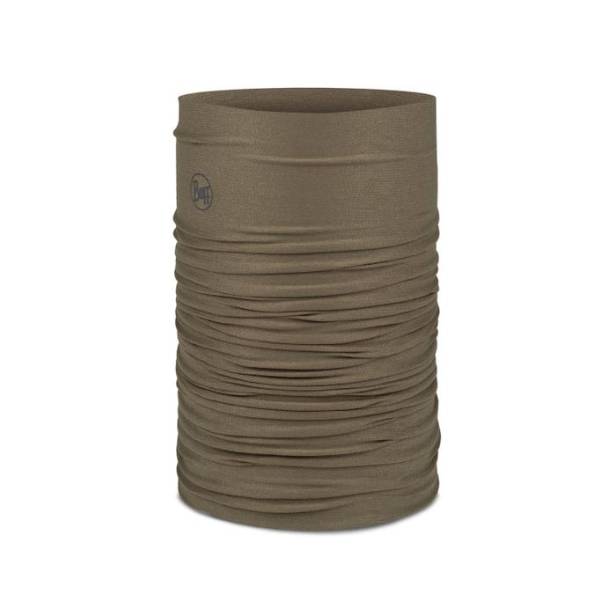
Mark: Insect Sheild Buff
Pro’s: Yes though it essentially a tube of fabric buff’s are a simple and great invention. These can be used as a headband, hat and face covering.
Cons: Nothing really on these they do exactly what they are intended for.
Specs: UPF 50+ sun protection, POLYGIENE® antimicrobial treated fabric, Insect Shield® technology
Price: £22.95
Available From: Buff
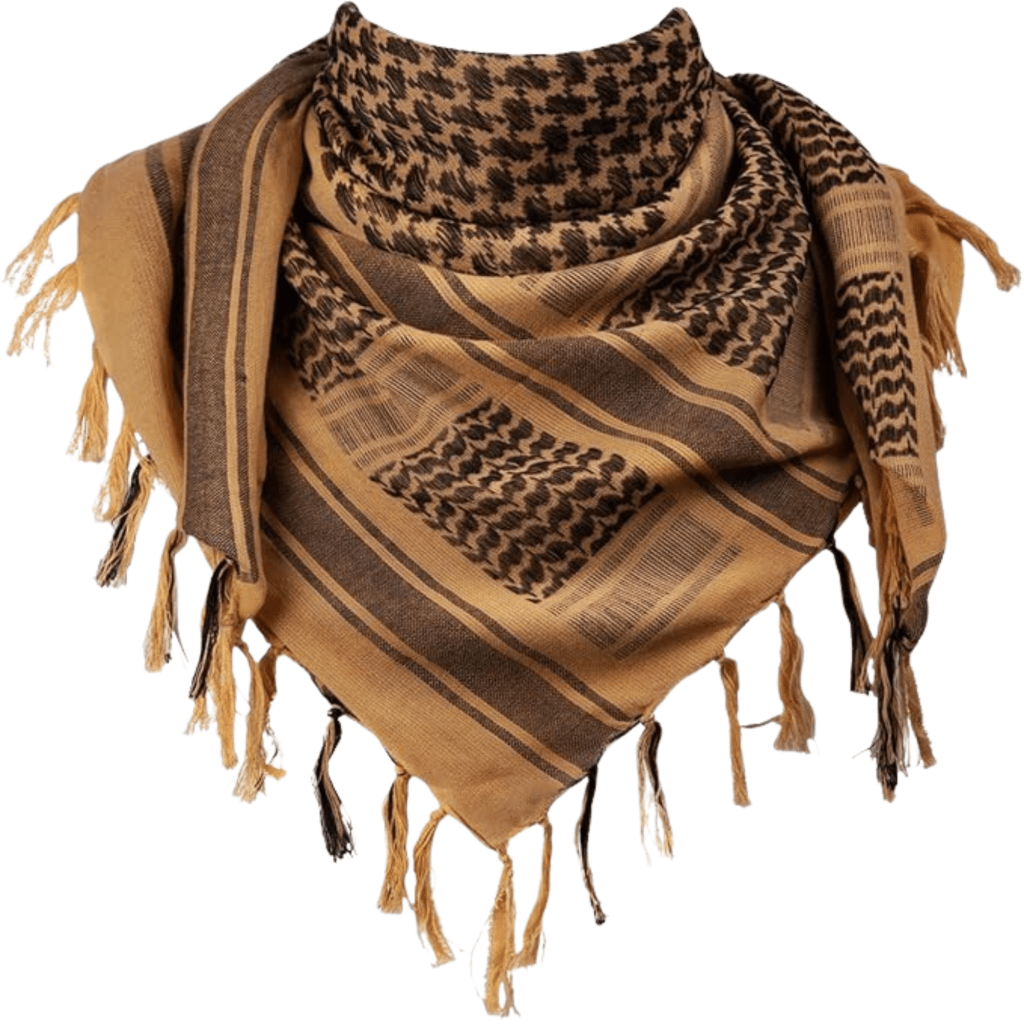
Mark / Andy: Shemagh / Keffiyeh
Pro’s: Cheap and available online or while in Morrocco
Con’s: Non technical fabric could probably be improved
Specs: Sun protection, sand protection
Price: £10.99
Available From: Amazon
Sunglasses
In this case in bright sun and in squalls of sand eye protection is a great idea, lenses up to category three are useful in the bright sun. It’s probably best in this case not buying the most expensive sunglasses or coated lenses for this as whipping sand squalls and winds can damage your lenses pretty easily. Polarized lenses are also a great shout as they reduce glare. I’m not going to list lots of models here, however the wrap around style will enclose the eye better than most.
Underwear
The Right Socks For The Job: Quick drying thin socks are a good choice for the desert , cotton is not great as being enclosed they absorb sweat and then cause blisters. And as previously alluded to cotton does retain water more than other fabrics. In my case I’m wearing lightweight merino wool and synthetic socks.
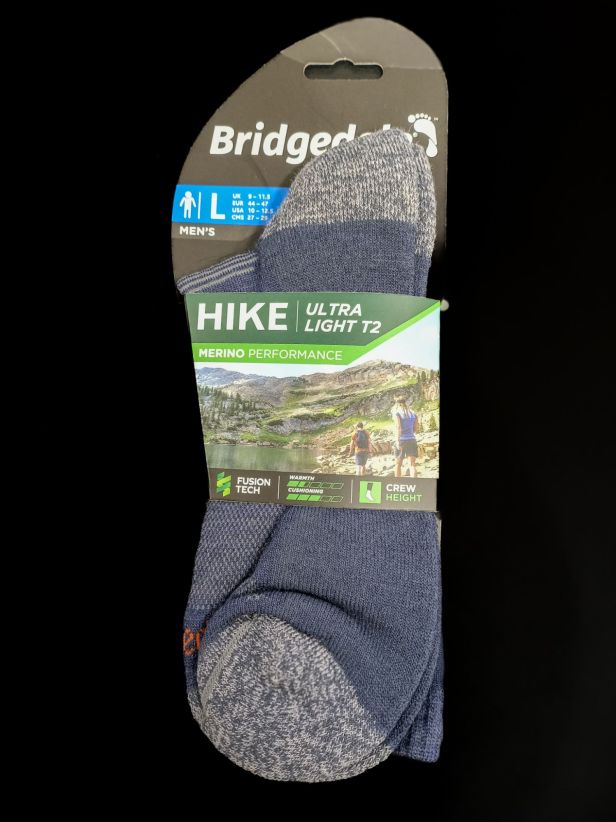
Mark: I went for the Bridgedale Mens Hike Ultra Light Performance Crew.
Pro’s: Designed for hot weather, great fit, light weight, fairly simple care can even be tumble dried.
Cons: I rarely have any issues with Bridgedale socks – they last ages and though to some they may sound expensive they are good value for what they provide. I have some Bridgedale socks that are still going strong after many years.
Specs: Performance Fit, Moisture Management, ThermoFit, Flat toe seam, Forward Flex, T2 AntiShock Cushioning, ShockZones, Overfoot Ventilation, Y-Heel
Price: £23
Available From: Bridgedale
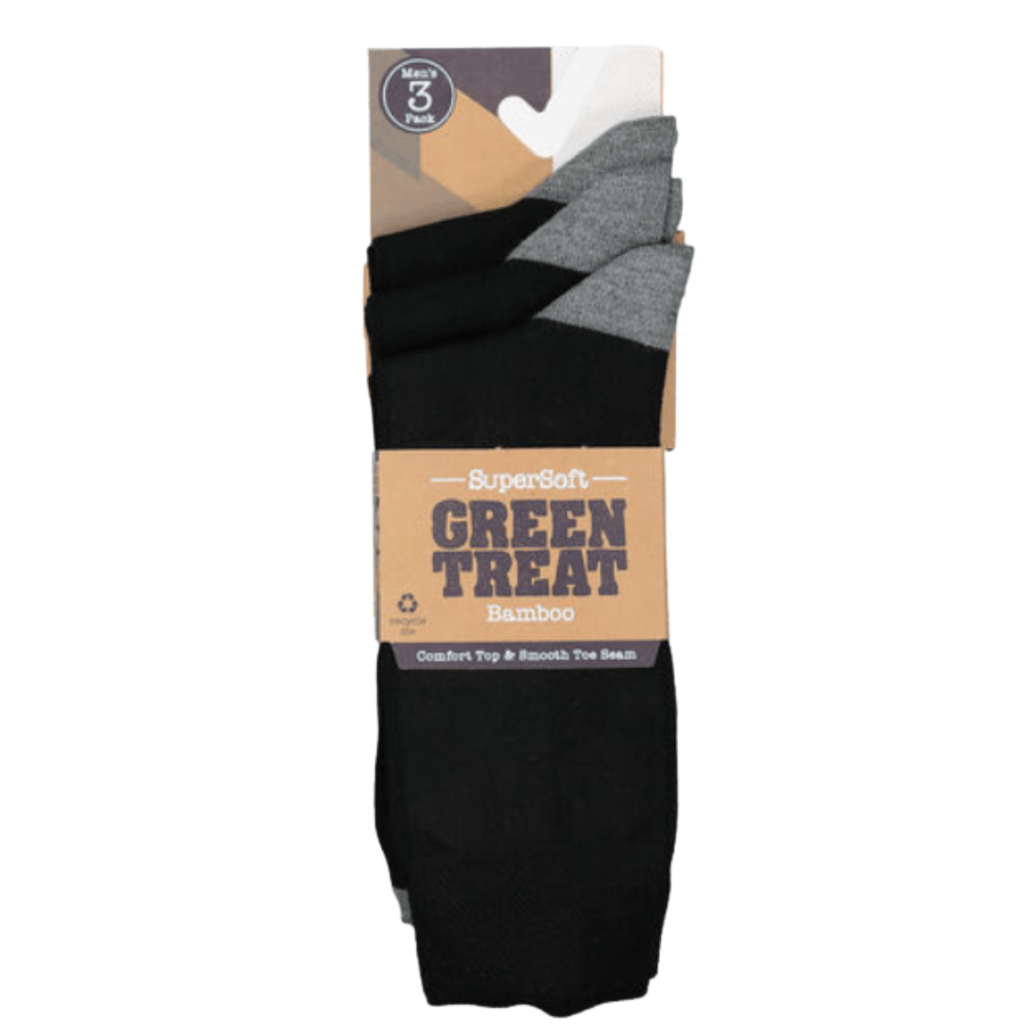
Andy: Green Treat Bamboo Socks
Pros: Cheap and comfy,
Cons: Have to be dried naturally
Specs: Stated to be naturally anti bacterial
Price: varies depending on retailer
Available From: numerous retailers
Boxers
Lots of options here, and it of course doesn’t have to be boxers, however in this area you want to make sure you have that chafing risk reduced. Trust me adding sand to the situation doesn’t help either. Again, go for moisture wicking, lightweight and comfortable as you can!
If you enjoyed this blog and don’t mind spending a further moment of your time to help us out please like, comment and subscribe below – it all helps keep the blog going and we love to hear your views on the content! Is there somewhere we should visit or something we should try? Let us know!
 Requiem For The Extreme
Leave a comment