

“To be haunted is to glimpse a truth that might be best hidden” James Herbert ‘Haunted’
I’m driving down the M50 towards South Wales and the car is being pelted so hard with rain it rattles like someone’s throwing handfuls of gravel at it. I can barely see the road through the nearly unbroken sheet of water pummelling down from the sky. While I’m not a stranger to the extremities of the Welsh weather this is probably the worst rain I’ve ever driven in. The torrent abruptly stops and gusts of wind blow small tornados of brown and yellow leaves at the windscreen as the golden light of the approaching sunset pierces the few holes in the gathering storm clouds. For a Halloween night to be spent in a reputedly haunted area the bench mark for atmosphere seems to have been hit before I’ve even reached my destination. Pembrey Country park is 500 acres of parkland and includes a massive manmade pine forest and the 8 mile long sands of Cefn Sidan Beach. For those who are not UK based here a country park is a large green space set aside for public recreation and if you are like me, on the surface that doesn’t sound that interesting however this area has a history that contrasts sharply with it’s pleasant hikes, events and beach days.
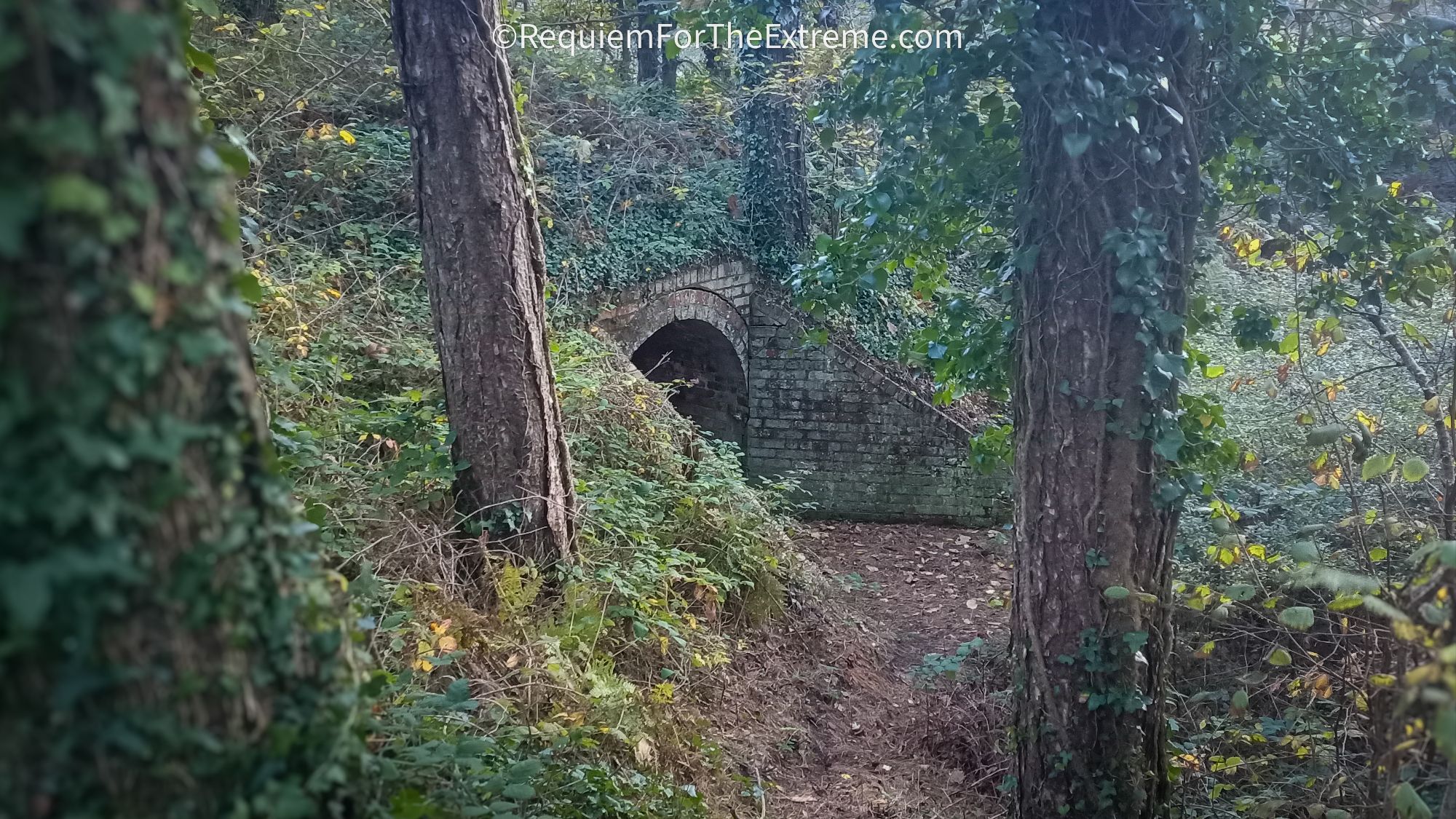
I stop for a short break and while I’m parked up my phone buzzes and I find out one of my mates isn’t coming as he’s been called into work and the other is going to arrive here late so I decide I’ll go straight to Pembrey Forest to explore by myself in the dark before he arrives. When I pull up in the car finally I start to get my gear together while noticing the owls have begun hooting up in the trees and I chuckle to myself about the already spooky atmosphere before marching off into the park. While this isn’t one of my usual extreme adventures it can’t all be hanging off mountains and stuffing myself down caves so why not relax by hiking around the haunted woods on Halloween instead, perfectly normal. As I’ve already alluded to this area has quite a history, Pembrey Country Park was originally the site of of many successive ordnance factories. Buildings manufacturing explosives were situated in the sand dunes or ‘burrows’ to provide cover and to minimise damage in the event of a detonation. The first factory here was built by the Stowmarket Explosives company which went into receivership in 1885 to be replaced by the South Wales Explosives Company. Following this in 1914 after the outbreak of WW1 the Nobel Explosives company built a factory here, the company of the very same Alfred Nobel who began the Nobel Peace Prize. Considering Nobel became incredibly famous and rich for creating not only dynamite but also smokeless gunpowder the irony is far from lost on me. Nobel’s factory began winding down in 1919 and the equipment was sold for scrap in 1926. The remaining admin buildings were used as a school camp for the children of unemployed miners during the 1930’s. When WW2 begins the site has a new factory ‘The Royal Ordnance Factory Pembrey’ built which continued to operate until 1964. The site finally became Pembrey Country park in 1980 . As I walk deeper into the park one of the first features I come across is the tunnels, one of which appears to my right across the neatly mown grass, looking quite out of place and I head over to it unable to curb my enthusiasm. In the fading light it’s easy to see why people find these old brick tunnels a bit spooky, now covered in creeping undergrowth their dark mouths leading into the round dugouts in the sandy soil.
A Brighter Future Usually Comes With A Darker Past
This area has had a staggering amount of fatalities throughout it’s history, many due to the aforementioned successive explosives and munitions which were based here. On the original site circular sand embankments such as the one I’m currently standing in were built to enclose wooden sheds. This sent any explosion upwards instead of outwards. One of these buildings, shed 12 was discovered blown to pieces on the 17th November 1882 following a large explosion being heard by the nearby occupants of Pembrey Village. When the noise was investigated seven workers were found close to the scene and four of them had been reduced to no more than body parts. By that evening those injured who had survived the blast succumbed to their injuries and died, adding further horror to the event five of the victims ranged in age from thirteen to sixteen years old and the rest were only in their twenties. The tragic event may have contributed to the downfall of the site owners the Stowmarket Explosives Company, a company already responsible for an explosion in Stowmarket, Suffolk which killed 28 people and injured 70! https://www.bbc.co.uk/news/articles/cn7lm6nz58vo It was alleged at the time of the explosion at Pembrey the company had been keeping 300 tonnes of explosive when it was only authorised to keep 144 pounds on site.



In 1917 during the sites operation by Nobels Explosives Company another explosion occurred which killed six people this time four of whom were men and two women. The cause of the explosion was never explained, the the attending coroner stating that “the deceased were accidentally killed by an explosion due to some unknown cause”. Just over a year later in 1918 an 18 pounder high explosive shell detonates and kills the three workers tasked with disassembling it.
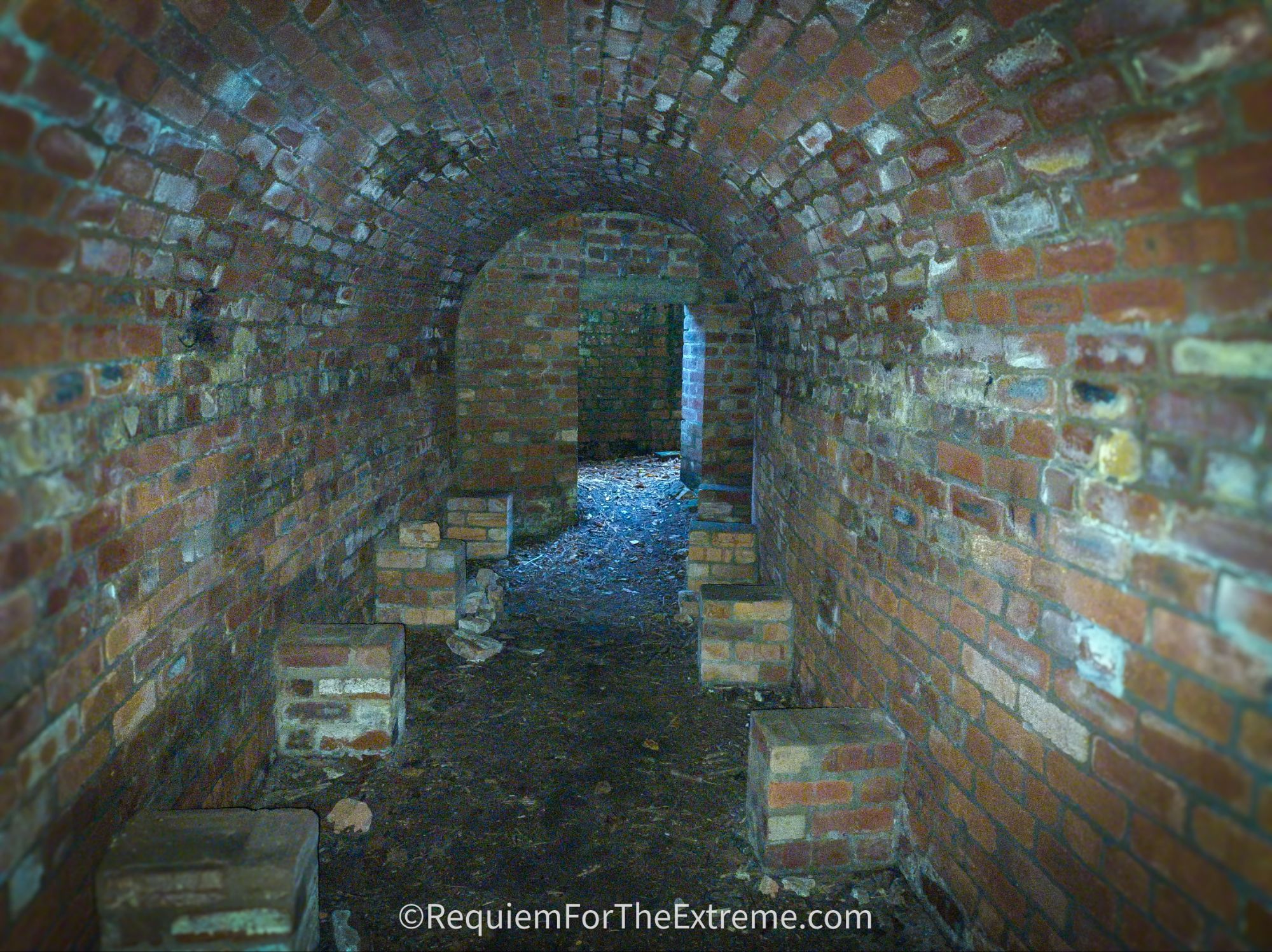
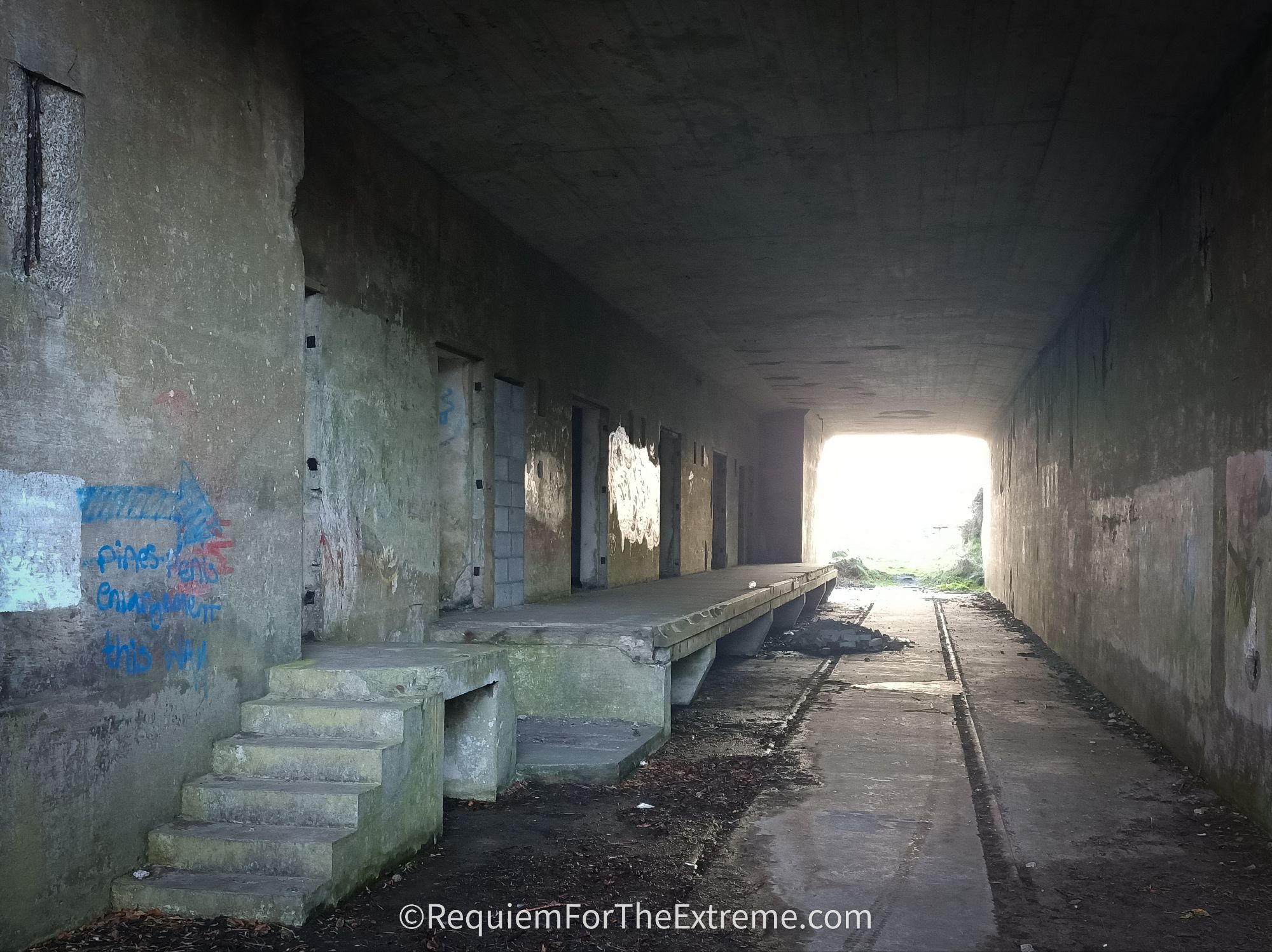
After WW2 begins during the time of the Royal Ordnance Factory (ROF) Pembrey the factory becomes a target for German Bombers and ten people are killed during a raid in July of 1940, a bit of history that’s on my mind as I pass through one of the brick tunnels that were repurposed and converted into an air raid shelter. The supports are still in place for the now missing benches where the nervous workers would have been sat while the bombers flew overhead dropping their bombs. Air raids must have been all the more terrifying and of course incredibly dangerous for those working in munitions factories. An example of just how dangerous came just a year in later 1941 .
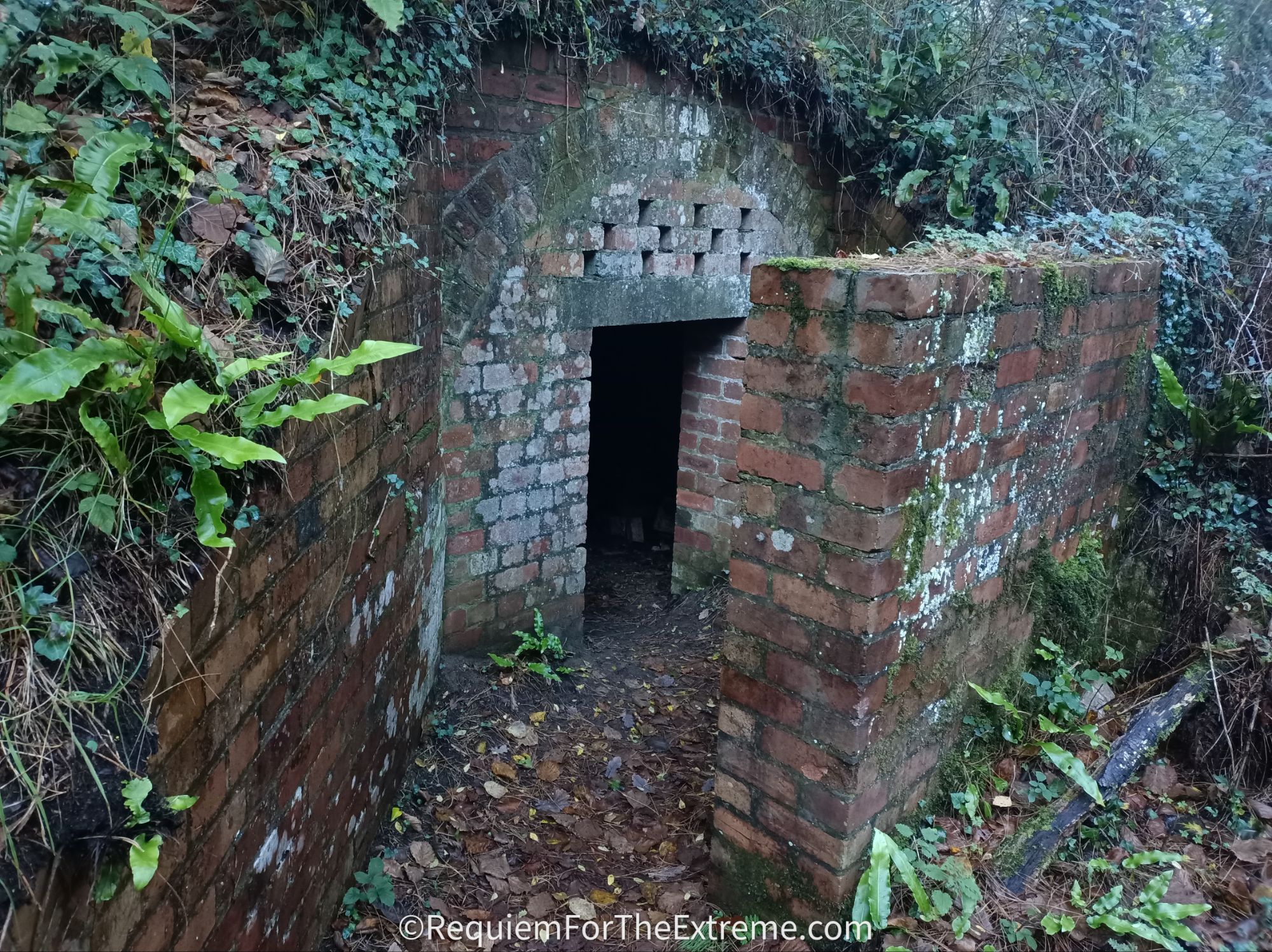
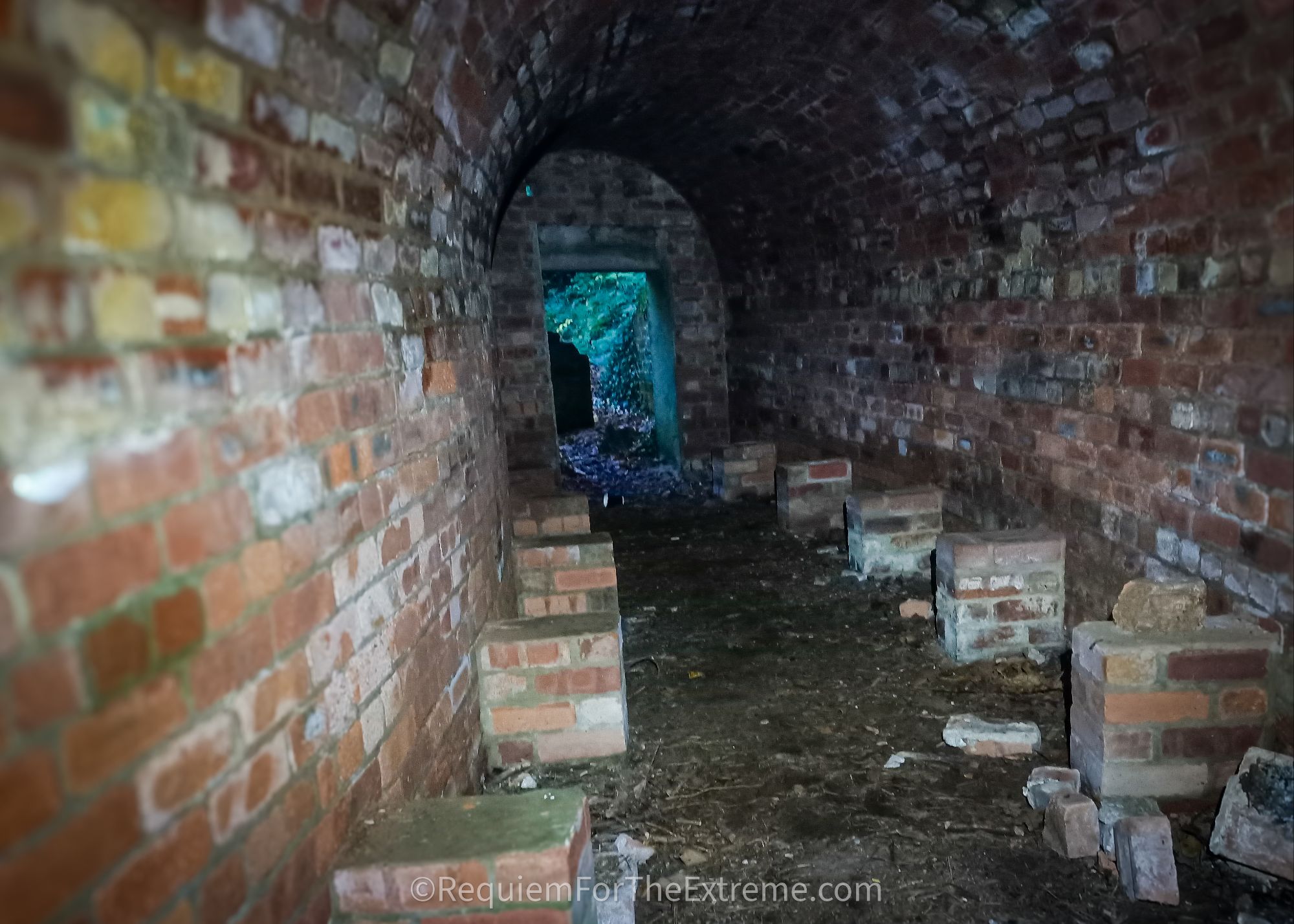
On the night of November 1st 1941 workers headed for these shelters as yet again German Bombers approached the site and likely to great relief everything was reported to seem normal once the raid was over. This was until the foreman heard a loud explosion which was the roof being blown off of Mono-Nitration plant P14. Mono-Nitration plants are dangerous places which use highly corrosive acids such as nitric and sulphuric acids, create toxic vapours and need to be well temperature regulated. When the foreman arrived what was left of the building was on fire, one worker that been blown out of the building and others ran out on fire, of which two later died from their injuries. This could have been far worse if it wasn’t for the brave actions of the foreman Mr. Williams and fireman Mr. Gurr who attended the other nitrators and made these safe preventing further explosions. Both were awarded the British Empire Medal. I never do find the sites of nitrator separator houses in the dark of the evening though I dare say I’ll be back at some point so I can update this blog.

Considering the numerous accidents here it’s easy to just focus on the onsite fatalities however it’s important not to gloss over the factories that occupied this space having had a further human cost that wasn’t as obvious as sudden explosions. Conditions here held further dangers beyond accidental detonations while producing explosives. Munitions that were faulty were broken down here also and TNT would have been ‘burnt off’ which carries the risk of explosion of course yet also releases toxic gases. Direct contact with TNT carries the risk of absorption through the skin, which can cause irritation, itching and even anaemia and abnormal liver function. An example of this is the three women who died from jaundice from exposure to TNT in October and November 1916 and June 1917. As mentioned previously the manufacture of the TNT itself required the production of Nitroglycerine though a dangerous process where glycerine is treated with concentrated nitric and sulphuric acid. These acids damaged the workers inadequate clothing, reportedly putting holes through it and also caused visible choking fumes which irritated their throats and eyes. PPE was not a thing during the period the factories on site operated. Ether used in the production of Cordite reportedly and rather unsurprisingly gave the factory girls a headache at best and at worst for a reported 15 to 20 workers produced epileptic fits. Ether of course was used as an anaesthetic in the UK as recently as the 1950’s and added the further danger of sedating the workers. The substance is also an irritant and to add to it’s danger is incredibly flammable with an ignition point at just 40°C, making this working environment horrifically dangerous. Many serious incidents on top of the noted 26 may have not been recorded due to media gagging during the world wars and further deaths likely occurred away from the site from work undertaken here. Folklore tells of the woods being haunted by the burnt and deformed figures of the many workers who lost their lives here. Phantom smells of burning and chemicals have been reported by some visitors to what remains of the old explosives factories. All I smell is the leaves of the autumn and damp with the background smell of the ocean which is far more pleasant.
Wreckers And Wraiths
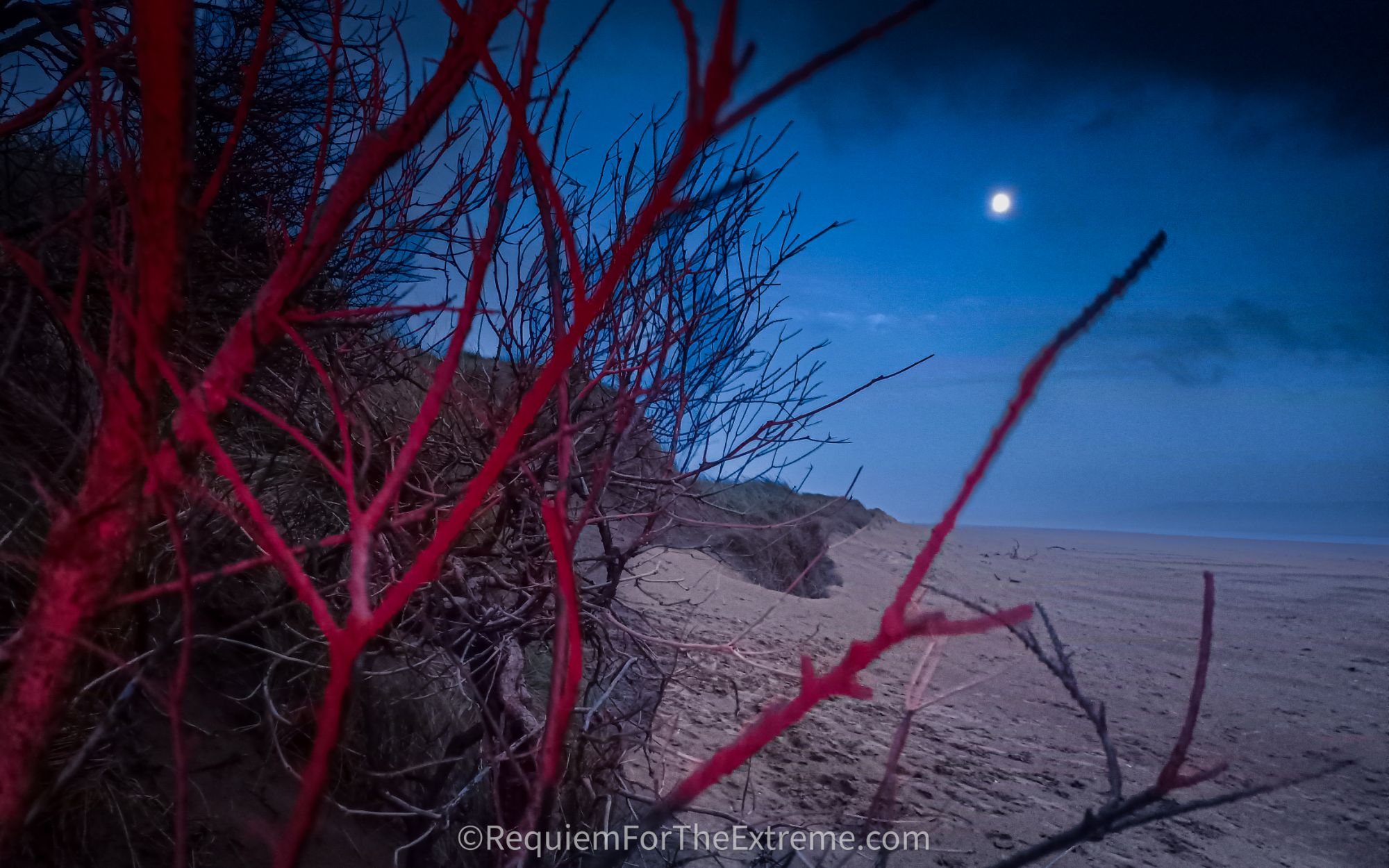
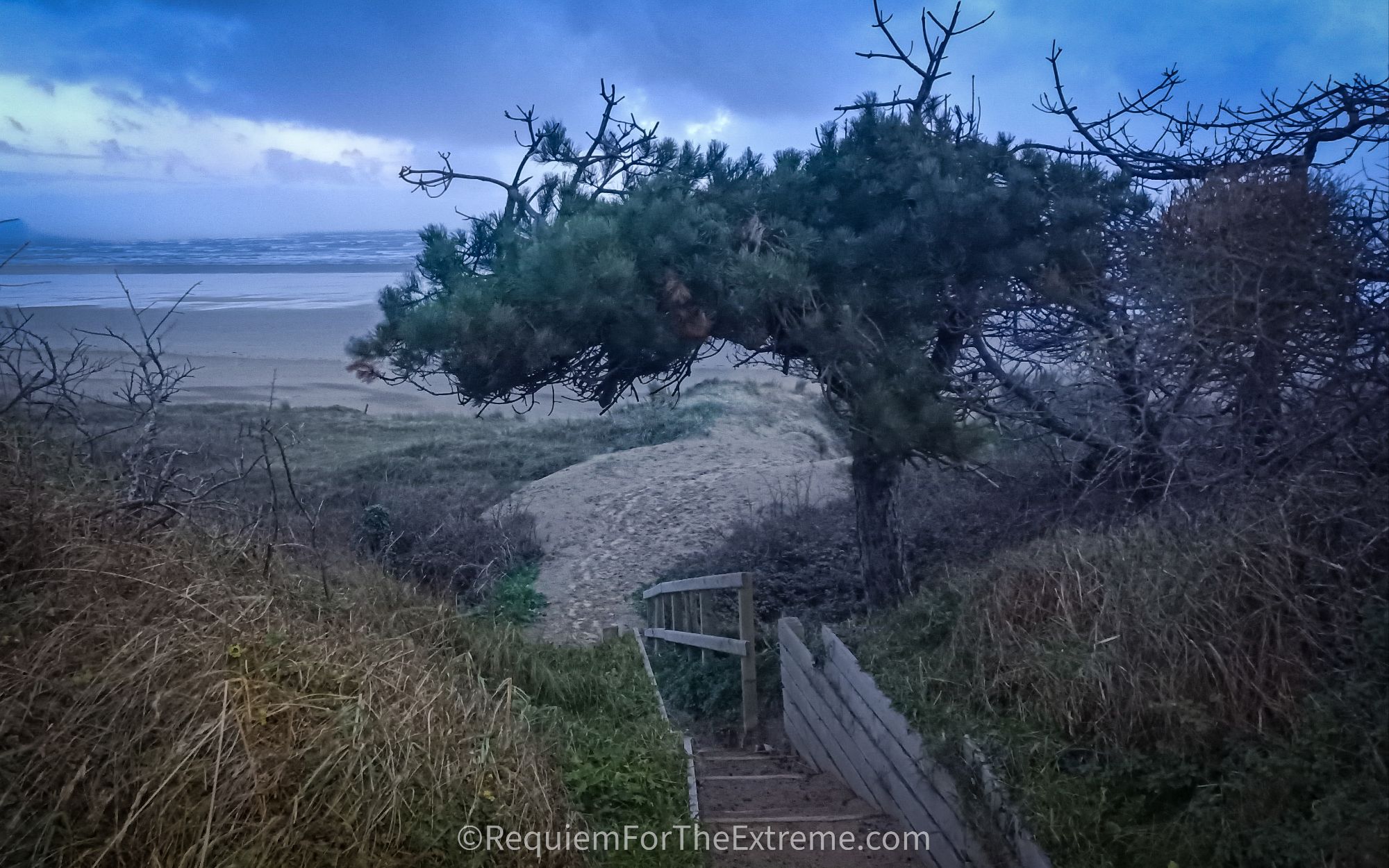
Leaving the old structures I head through the woodland towards the sea hoping to get some atmospheric photographs in the fading light. The walk through the woods seems to go on forever like strange daydream, there’s nobody around and all I have for company is the distant roar of waves of the Bristol channel. The atmosphere is eerie as I exit the woods and approach the dunes, the sky now a deep bruised colour in the finality of the autumn sunset. In the dusk I head over the dunes the sand gently crunching below my feet, just audible in the increasing wind. Then I drop down past gnarled trees and shrubs, battered by the Welsh weather onto the extensive sands of the beach, Cefn Sidan which means apparently ‘Silken Back’ quite a nice name really considering it’s other name is ‘The Dustbin of the Atlantic’.

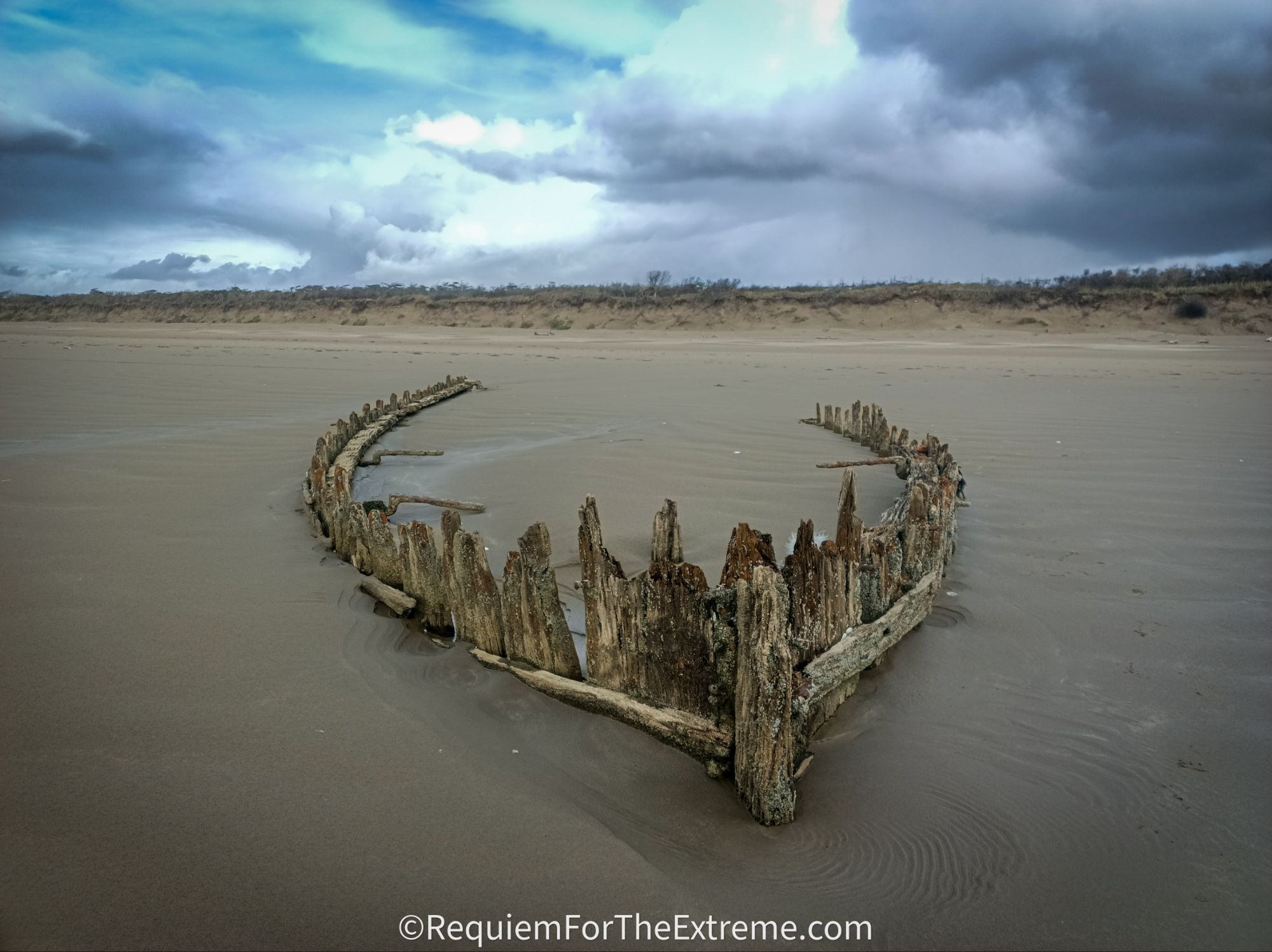
The tide is still quite far out so I decide to go and hunt for any exposed shipwrecks. The first corpse of a ship I come across is the S.V Paul, it’s slowly rotting timbers poking out of the sand like the broken teeth of some giant marine animal. The Paul was wrecked here on October 30th 1925 on it’s way from Halifax, Nova Scotia bound for Dublin when it’s sails were destroyed by gale force winds in the Bristol Channel. It’s said many houses in this area still contain timber scavenged from the wreck. There were no recorded fatalities from the wrecking of the Paul however the waters around here have claimed many other seafarers lives, there are records in fact of ships being wrecked in the area of Cefn Sidan and the Burry estuary since as far back as 1668. There are 182 wrecks recorded in this area which is a staggering amount and at least 304 fatalities accounted for before considering the eight ships who lost all of their crew. It’s estimated that there may be anywhere between 300 to 800 ships wrecked here since Roman times some of which would now be buried further inland due to changes in the landscape and coastline.

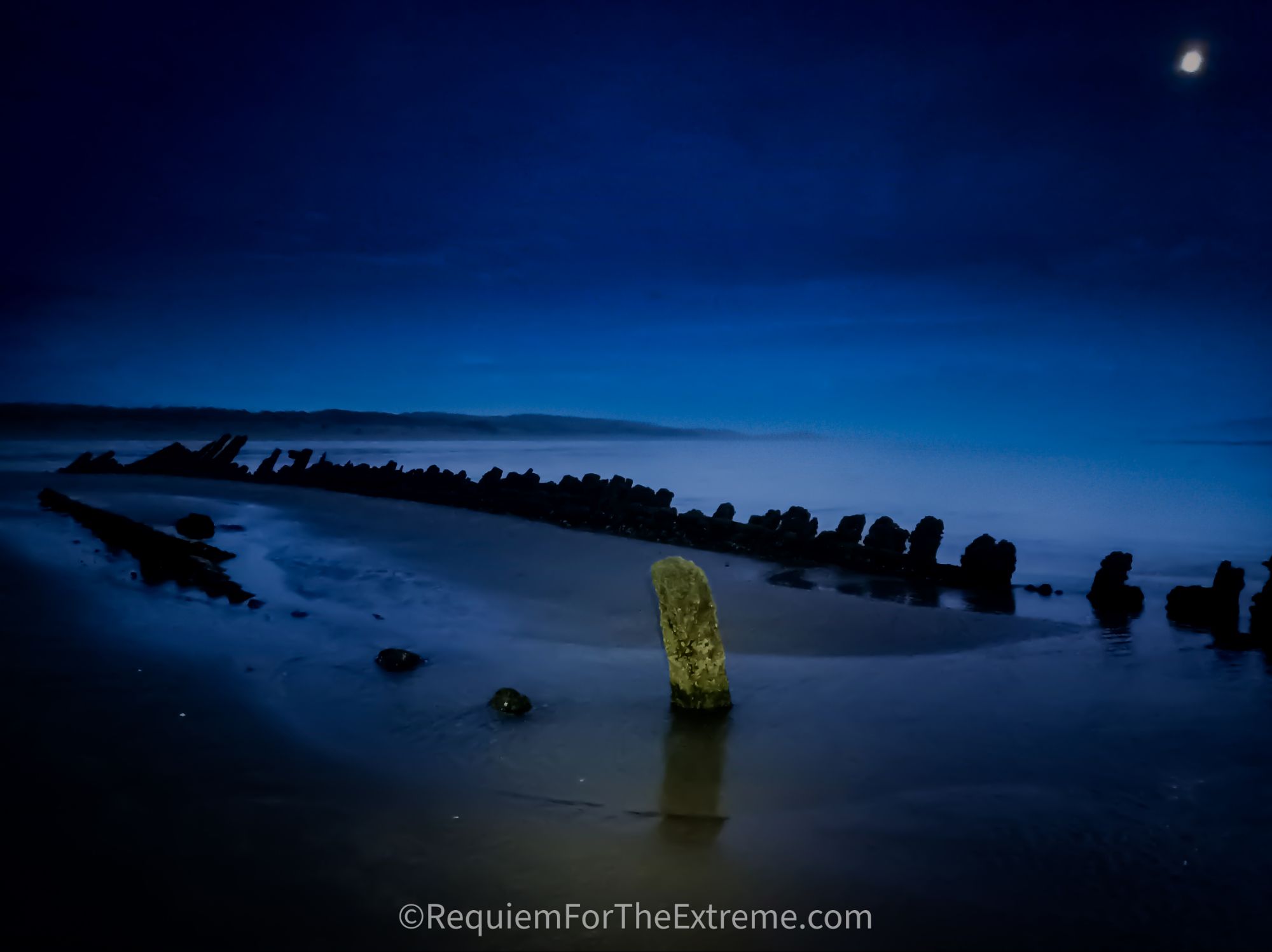
The moon is shining in the sky as I take pictures of the remains of the Paul, out on the sands apparently with it all to myself. Not that this is a problem as there’s nobody with torches to ruin my shots. With so many ships wrecked here of course the beach has it’s own spooky tales such as a sighting of a spectral ship off the coast in the area with a ghostly green glow. These sort of ghost ships feature heavily in maritime folklore the most famous being The Flying Dutchman. The most enduring tale of Cefn Sidan is not the spirits of ships or their crews but the spirits of those known as ‘The Little Hatchet Men’. The Gwyr-y-Bwelli bach or ‘the people with little hatchets’ were a real group of wreckers and so named for the small hatchets that they used in the stripping and robbing of wrecked ships. They were most active in the hundred years between 1770 and 1870 and there are many tales involving them however it’s difficult to separate the truth and folklore. The hatchets were used to break into cargo such as crates and barrels and reportedly for the removal of rings from the hands of the dead. When the body of Adeline, Niece to Napoleon Bonaparte’s consort was found having been one of the victims of the 1828 shipwreck‘La Jeune Emma‘ her body was missing two of its fingers. With this in mind I turn back inland in the direction of the dunes as I’ve been out here in the dark for two hours now and my mate should hopefully be arriving at our AirBnB soon. Not just that but I need to avoid the rising tide that comes in quickly here of Cefn Sidan. On my way I pass the ruins of what looks like an old WW2 gun battery or observation point with the sand dudes now pouring through it making it look like a concrete mouth vomiting sand onto the beach. I turn around wondering if ghostly figures have followed me across the beach, of course there’s nothing there but the bright moon mirrored in the thin layer of wet sand bordering the oncoming waves and the wind howling.
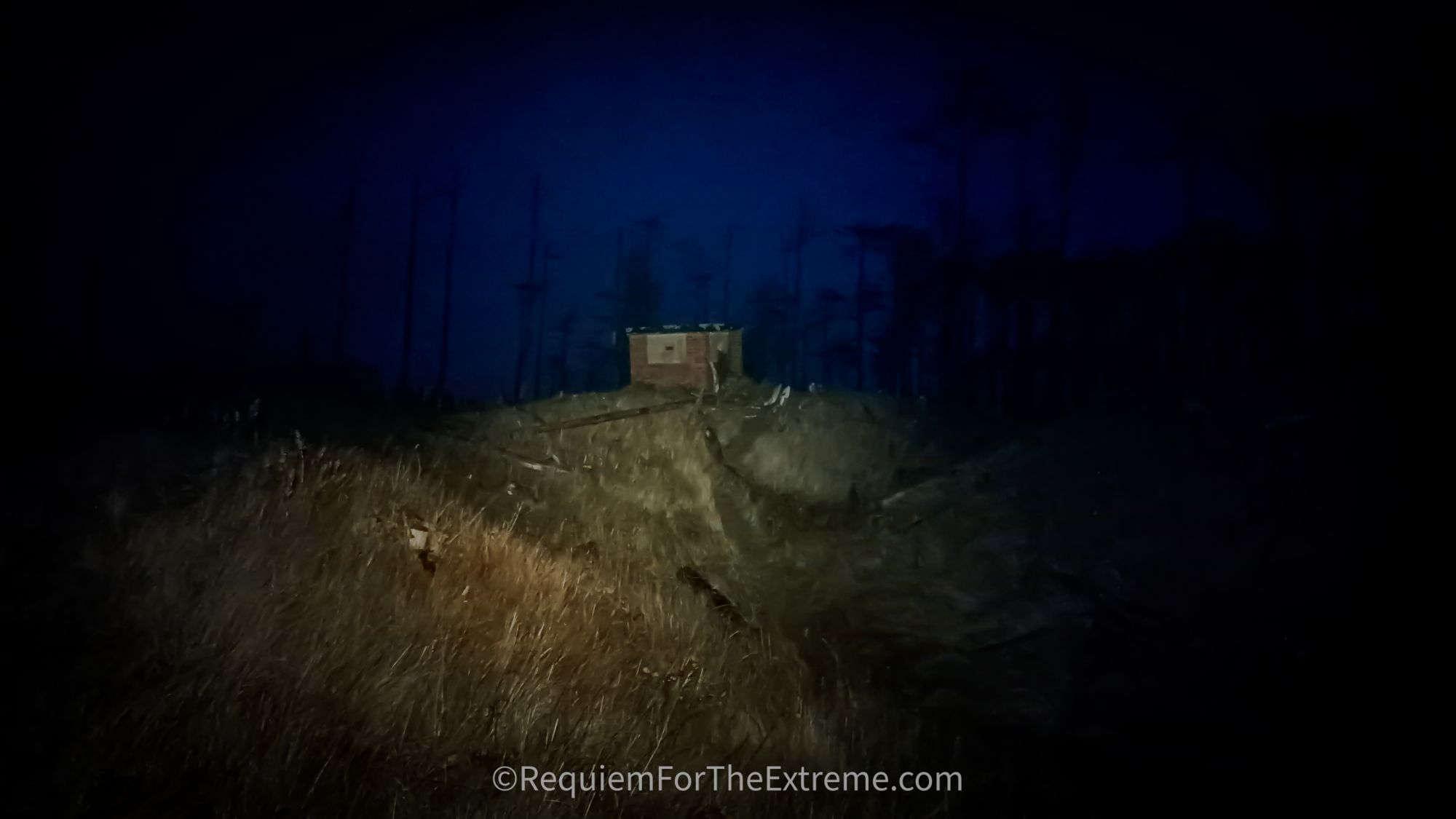

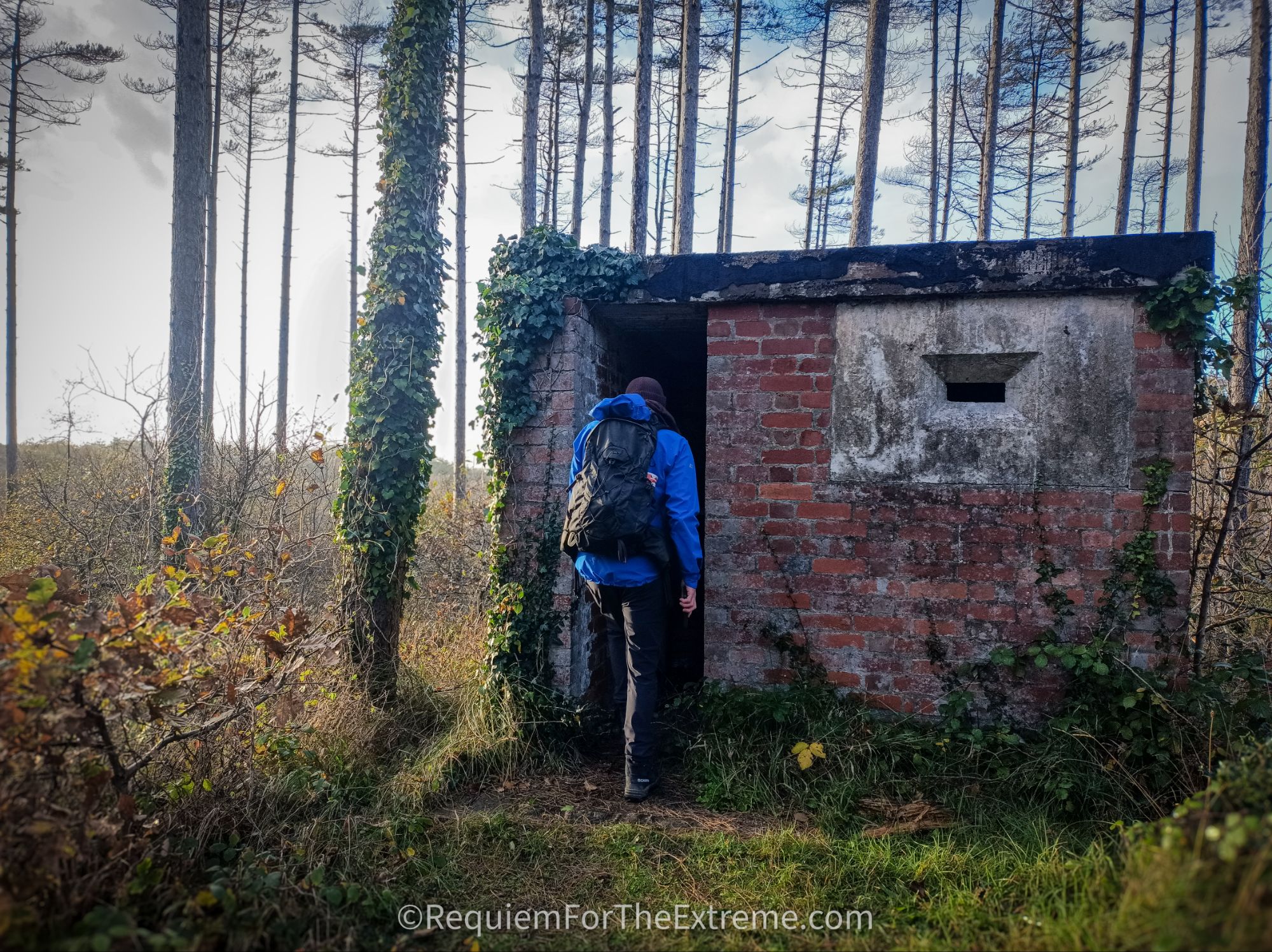
Exiting the beach the ragged outlines of the coastal pine trees create large black emaciated figures in the blue black darkness created by the moon. Out in the burrows sits a lone observation post built for the protection of the site during war looking as creepy as it can out in the scrub. It’s impossible to not get the feeling of being watched being as that’s exactly what the building is for, though the eyes I can feel on me are more likely to be local nocturnal wildlife than anything else. Making my way back through the forest it’s not long until I’m back to the warmth of my tiny car, having not been murdered by vengeful spirits which is always a bonus and I head off to find our AirBnB. When my mate finally arrives our plan was to go out and explore the area about midnight but the rain returns, and the big journeys and the wine put paid to our ambitions pretty quickly. Plus I’ve already been out there if there were any ghosts they would have probably said hello already. To this day no matter where I’ve been I’ve still not seen any! We decide instead to head out during the day and explore the area further and see what I missed in the darkness.
The Day After
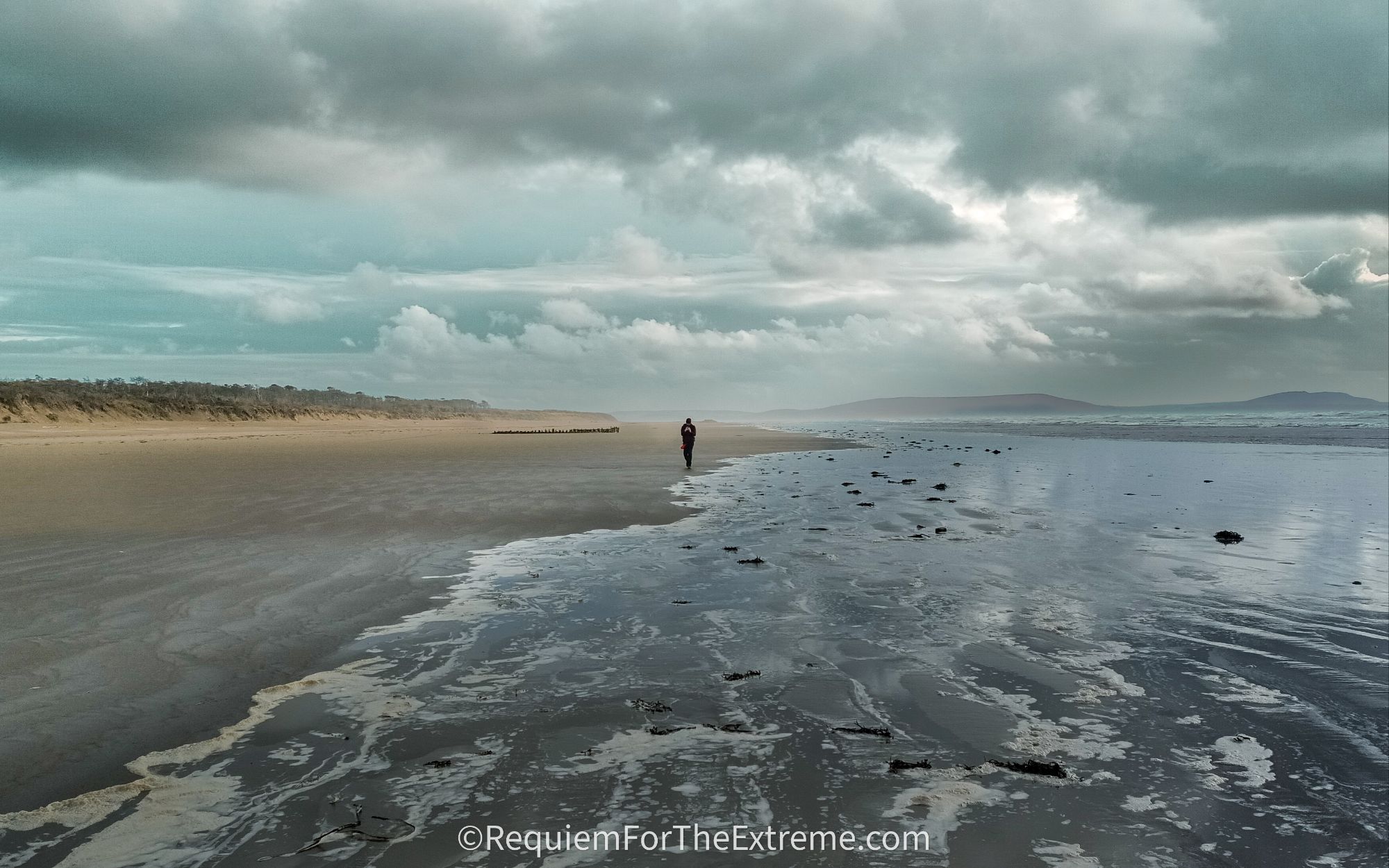
The country park is far different on the thankfully sunny day when we head out to explore it further and for now the rain has gone. We head straight for the beach and I show Andy the S.V Paul before we go hunting for the other wrecks. Walking in the direction of Twyn Point we come across plenty of shipwrecks which make for some great photographs on the long and desolate looking sands with nobody else around this far out. It’s a far different vibe from last night of course however knowing the number of ships wrecked here, seeing yet more of them in the daylight and wondering how many are buried under the shifting sands or waves is a reminder of just how brutal nature is.
High Tides
Some notable wrecks in the area apart from the Paul which I’ve already mentioned include the ‘El Dorado’ which was sunk in 1691, listed as carrying £80,000 of gold and silver exactly where it’s wreck lies who knows – I’m sure we would hear about it if someone came across it. There’s also the story of the story of ‘’La Providence’’ which was wrecked upon the beach in 1818 during it’s planned journey of Bourdeaux to Dunkirk, the cargo included brandy and locals were found pissed out of their minds. One of the wreckers reportedly got so drunk they died. On the subject of getting totally off your box interestingly the last vessel found here was in 1996 an unnamed yacht from Morocco was found wrecked here packed with £800,000 of Cannabis resin. I guess you could refer to that as ‘sea weed’.


About The Ghostly Airmen
Further up Cefn Sidan we reach the watch tower on the gate of MOD Pembrey, regarding the airfield here there were numerous incidents in the area during the war where pilots lost their lives. Flying during this period was extremely dangerous especially while training which happened a lot at the airfield. There are mentions of ghostly airmen in the area stemming no doubt from the vast amount of lives that were lost during combat at flight training.
The Sacrifices Of Polish 316 “City of Warsaw” Fighter Squadron
Polish 316 Fighter Squadron were a unit who had fled Poland after it’s WW2 occupation by the Nazi’s and continued to fight, beginning with being stationed here at RAF Pembrey. Sadly many of the squadron lost their lives during their service though their heroism is well remembered.
On 25th October 1940. A Hurricane piloted by Stanisław Piątkowski of the Polish 316 was on a routine patrol over Linney Head when he crashed and lost his life at Carew Cheriton.
On May 8, 1941 Olech Antoni Kawczyński crashed over the very beach we are currently stood on, Cefn Sidan during target practice in his Hawker Hurricane, something that’s hard to envisage on this clear and quiet day.
Bohan Anders perished when his plane accidentally collided with a barrage balloon cable near Newport, Gwent on June 2nd 1941. The steel cabling on these balloons was very strong and 6.5 to 8mm thick and was designed to cut through planes and destroy them.
On June 23rd 1941 Stanislaw Waldemar Szmejl was on convoy patrol when he flew his Hurricane into a cliff in poor visibility in the Freshwater East Area of Pembrokeshire.
On August 9, 1941 the Spitfire of Tadeusz Blach stalled while flying too low on a routine training flight in Ruislip, Middlesex causing the aircraft to plunge into the ground.
On June 27th 1943 Roman Grzanka crashed his Mosquito at nearby Pennard, Gower killing him and fatally wounding his mechanic Waclaw Oyrzanowski.
On May 8th 1944 a young pilot Jacek Zygmund Fran Kinel assigned to the first Air Gunnery School at Pembrey had his career tragically cut short when he had a fatal crash near Cwrt Malle Farm.
On December 8th 1944 Leon Jan Watorowski had a fatal mid air collision over Port Talbot.
The Polish 316 “City of Warsaw” Fighter Squadron were a highly trained and experienced unit and the losses they suffered shows just how dangerous early flying was even for seasoned airmen even during times when not engaged in combat or defence missions. There were further tragic accidents in the area outside of the squadron such as on the 12th of January 1941 when a Hawker Hurricane caused a fatal mid-air collision. A new pilot Sgt Boucher approached the leading plane flown by Officer Chapelle too quickly during a change of position and struck the wing of the other aircraft flipping Chapelle and causing him to crash into the airfield below killing him. The following month on February 24th Sgt Charles Albert Venn is killed while training, crashing his Hurricane into the sea close to the shore of this very beach Cefn Sidan, he had misjudged his altitude while firing his aircrafts guns. Later in the year on May 21st a Westland Lysander crashes into the foot of the hillside at Mnydd Pembrey near Coed Farm, Pinged. The aircraft bursts into flames and the .303 ammunition it is carrying begins to explode in the heat of the fire, Sgt Cyril Cave is saved by the brave actions of farmer William Howells. Unfortunately the fire is so fierce flying officer Peter Lochnan who is trapped in the cockpit is unable to be rescued and succumbs to the flames. Just the next day on May 22nd a close friend of Flying Officer Lochnan dies after crashing in poor weather while heading for Pembrey in his Tomohawk aircraft. The next year on February 16th 1942 the flaps of a Bristol Blenheim aircraft are retracted too early, the plane loses lift and the aircraft explodes in flames close to the airfield, flight Sergeant Reginald Fenny is seriously injured and dies two days later. A few months after this on May 24th another Bristol Blenheim crashes a mile east of Pembrey Airfield near the village of Pinged. The crew of Sgt Kenneth Ramsdale (Pilot) and three leading aircraftmen consisting of Edward Cecil Pledger Moore, Harold George Henry and George Arthur Layton had been carrying out a camera gun training exercise and lost their lives due to a fire caused by a possible fuel leak. Later on May 11th 1943 another Bristol Blenheim loses control due to a possible flap failure, killing the pilot Warrant Officer Frederick John McDaniel and his crew of three leading aircraftmen of trainee gunners John Charles Noble, Kenneth Taylor and Reginald R.I Smythe. Later that year on the 20th November Pilot Sgt Richard Williamson Rigby and LAC Harold ‘Lal’ Egerton are killed when their Miles Martinet is involved in a mid air collision just north of Burry Port. The aircraft crashes into the ground and bursts into flames. Both men perish despite the best efforts of farm workers to save them from the wreckage. Close by at RAF Pembrey on the 6th January 1945 Flying Officer Beverley John Wentworth Thomson, Warrant Air Officer (AG) Cecil Gordon Dear and four Aircraftmen Second Class consisting of John Frederick Bartholomew, Peter Hixon Cain, Cecil Maurice Field and Barry Campbell lose their lives in a crash. The initial landing attempt is too heavy and on instruction from the control tower they overshoot the airfield for a second attempt. As their Vickers Wellington Aircraft flies over the Gwendraeth Estuary gaining height to reposition itself they enter a nosedive while turning across the wind and plunge 300ft into the marshes below.
All considering reading this you can appreciate that flying, learning to fly and training caused a huge loss of life even outside of air combat and defence. You have to appreciate the bravery and sacrifice of these men, the ghost stories attached to the area are understandable due to the lives that were cut short in some truly awful circumstances.
Time Gets Us All Eventually
Heading back in the direction we came I spot what appears to be a huge log resting at the back of the beach, something that’s fairly normal here due to prevailing winds, strong Atlantic currents and the shifting sandbanks. I head over to get a photograph and it quickly dawns on me that this isn’t a log in fact it has eye sockets a small child could sit in, it’s a massive skull that easily the size of a small car. Nearby is the rest of the massive carcass most of it buried in the sand these are the remains of a female fin whale estimated at around 21 metres long, washed up earlier in September 2025 left here to naturally decompose. The massive skull sitting here having been brought in on the tides to this place where by pure coincidence it seems a most poignant reminder that so many have died here over the centuries, and that that death gets us all eventually even this creature ,the second largest marine animal on the planet after the blue whale. It’s still pretty awesome and in a way kind of inspiring I think, until the wind suddenly changes and we get a sudden gust of rotting whale flesh smell, which I’d describe as like a mix of decomposing leather and hundreds of wet dogs. As we start to walk away from the stench and past a huge vertebrae the size of a small coffee the sound of approaching thunder booms down the beach.


The Bunkers
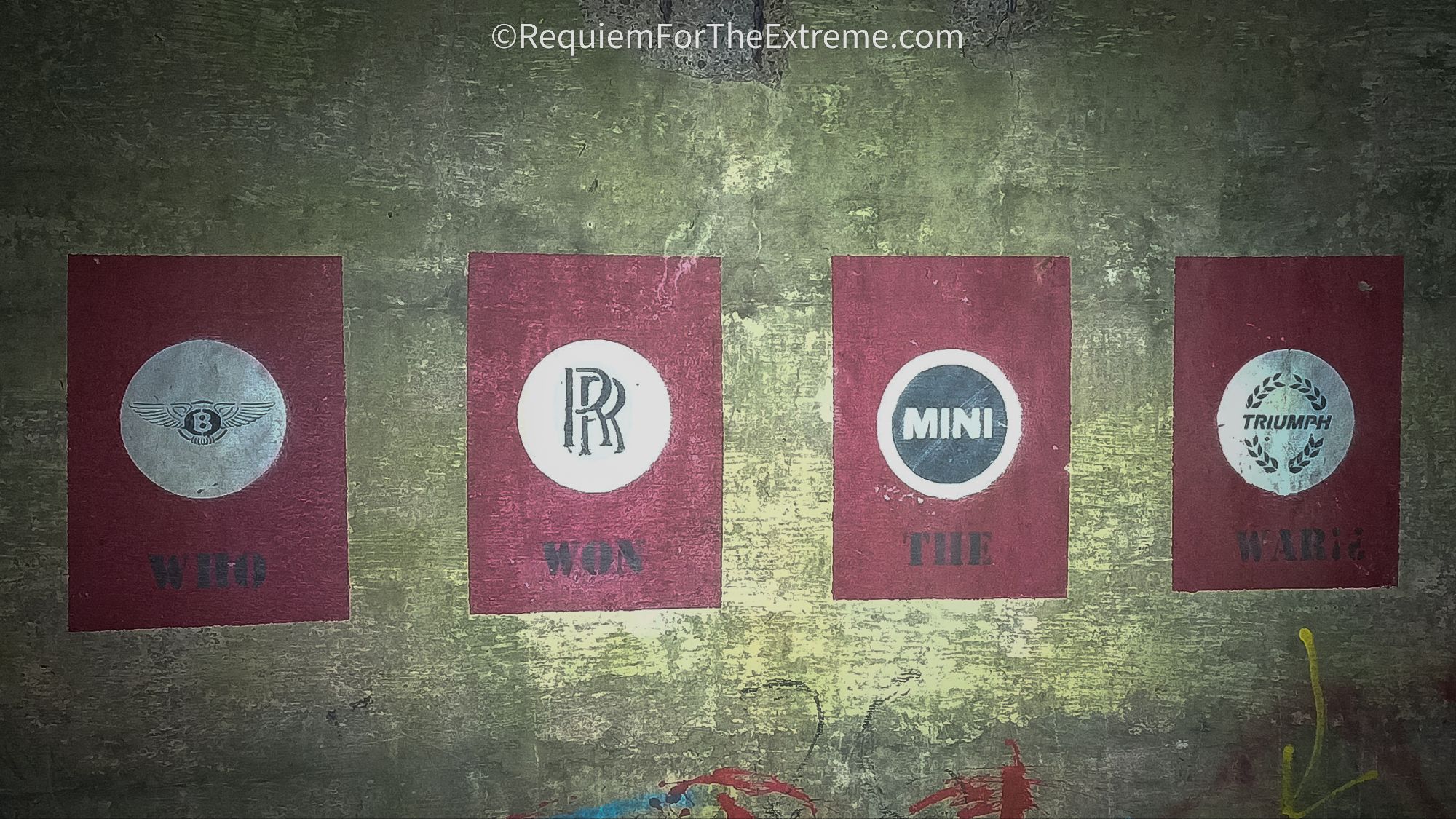
Our last stop before we leave Pembrey Country Park is the remaining WW2 bunkers which of course we have to check out. These were used to store munitions before they were transported by the sites internal railway. Apparently there are still more undiscovered bunkers on the site and even a rumour of underground war rooms here however as yet no such places or hard evidence have been discovered. One bunker still has some wartime imagery painted on the wall showing the companies involved in the war effort. We head back to the cars and I drive home thinking of the parts of the site we still haven’t discovered and of course as usual I didn’t bump into any ghosts. Maybe it’s scarier thinking that when we are gone, maybe that’s it and all that’s left is memories and stories. Though I think I’d rather be remembered and leave great stories behind than have to hang around haunting places!




If you enjoyed this blog and don’t mind spending a further moment of your time to help us out please like, comment and subscribe below – it all helps keep the blog going and we love to hear your views on the content! Is there somewhere we should visit or something we should try? Let us know!
 Requiem For The Extreme
Leave a comment